
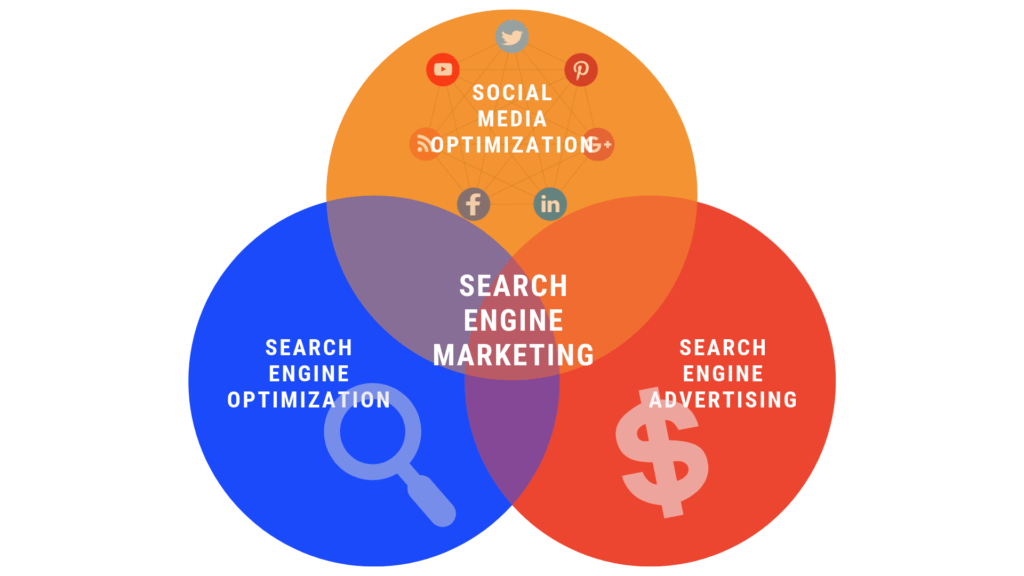
Social Media and Search Engine Optimisation: How They Work Together
Social media and search engine optimisation (SEO) are often treated as separate parts of digital marketing. In practice, they can support one another. Social media activity does not usually improve a website’s search rankings directly, but it can help content reach more people, attract attention and create opportunities that contribute to stronger SEO over time.
Does social media affect search rankings?
Likes, shares and follower numbers are not generally considered direct Google ranking factors. A popular post will not automatically send a page to the top of the search results. Search engines use many signals to assess pages, including relevance, usefulness, technical accessibility and the quality of links pointing to a site.
However, social platforms can help your content become more visible. If people discover and value it, they may visit your website, mention it elsewhere or link to it from their own websites. Those links and references can support SEO, although results are never guaranteed.
How social media can support SEO
More opportunities for people to find your content
Sharing useful articles, guides and product information on relevant social channels can put them in front of audiences who may not yet know about your website. Wider exposure can bring visitors and introduce your brand to people who may later search for it directly.
Content discovery and links
Social posts can help journalists, creators, customers and other organisations discover your work. If they find it genuinely useful, they may refer to it or link to it from their own pages. Links from reputable, relevant websites can be valuable for SEO. The aim should be to create content worth sharing, rather than to chase links through repetitive promotion.
Brand awareness and branded searches
Consistent, useful social activity can help people become familiar with your name. Some may later search for your brand or visit your site directly. These visits can be a sign that your marketing is building recognition, even though brand awareness should not be confused with a guaranteed ranking boost.
Understanding your audience
Comments, questions and discussions can reveal what your audience wants to know. These insights can inform new pages, articles and frequently asked questions. Social media can therefore help you identify topics and wording that deserve a more detailed answer on your website.
Visibility in social search
People increasingly use social platforms to search for recommendations, products and practical advice. Optimising profiles and posts for the terms your audience uses can make your content easier to find within those platforms. Social search and traditional search are different, but both reward clear, relevant information.
Practical ways to bring social media and SEO together
- Create helpful content: Publish pages that answer real questions and offer clear value before promoting them.
- Choose the right channels: Focus on the platforms your audience uses, rather than trying to maintain a presence everywhere.
- Write clear post copy: Explain what a link offers and use relevant terms naturally. Avoid keyword stuffing.
- Optimise your profiles: Use an accurate business description, consistent branding and a link to your website.
- Adapt content to each platform: A useful article might become a short video, a series of tips or an image-led post. Tailor the format rather than copying the same message everywhere.
- Make sharing easy: Use descriptive page titles and engaging images so that links look clear and appealing when shared.
- Engage with your audience: Respond to relevant questions and feedback. Conversations can build trust and reveal ideas for future content.
- Measure meaningful results: Track referral visits, engagement, enquiries and conversions alongside organic search performance.
Common mistakes to avoid
Buying followers or engagement is unlikely to create meaningful business results. It can inflate numbers without reaching potential customers. Likewise, posting the same link repeatedly without context may annoy audiences rather than encourage them to visit.
It is also a mistake to rely on social media as a substitute for a well-built website. Important information should live on pages you control, with clear navigation, useful content and a good mobile experience. Social platforms can change their features or reach, so a balanced strategy matters.
Measuring the relationship
Use website analytics to see how visitors arrive from social channels and what they do afterwards. Look beyond clicks: consider whether visitors read the content, explore other pages, make an enquiry or complete a purchase. In search reporting, monitor organic impressions, clicks and relevant queries over time. These measures can help you understand how your wider marketing is performing, but it may be difficult to attribute a change in search visibility to social media alone.
Conclusion
Social media is not a shortcut to higher search rankings, but it can be a valuable part of an SEO strategy. It helps useful content reach new audiences, builds familiarity and can create opportunities for genuine mentions and links. The strongest approach is to publish helpful, search-friendly content on your website, then use social channels to share it with the people most likely to value it.
8 Essential Tips for Enhancing SEO with Social Media
- Use relevant keywords in your social profiles.
- Share useful content consistently.
- Write clear captions with descriptive terms.
- Add alt text to images where possible.
- Link social posts to helpful website pages.
- Encourage genuine shares and discussion.
- Optimise page titles and meta descriptions.
- Track clicks and refine your approach.
Use relevant keywords in your social profiles.
Use relevant keywords naturally in your social media profiles to help people understand what you offer and find you when searching within a platform. Include the terms your audience is likely to use in your profile name, bio and description, while keeping the wording clear and readable. Avoid cramming in keywords: an accurate, helpful profile is more likely to build trust and encourage people to visit your website.
Share useful content consistently.
Share useful content consistently to keep your audience engaged and give them a reason to return. Publish practical, relevant posts that answer common questions or offer genuinely helpful advice, and adapt them to suit each social platform. Regular sharing can increase the visibility of your website content and help more people discover your brand, while a steady schedule builds trust over time. Focus on quality rather than posting for the sake of it, and include clear links to relevant pages on your website.
Write clear captions with descriptive terms.
Write clear, descriptive captions to help people understand what your social media post is about and make it easier to discover. Use relevant terms your audience might search for, such as a product name, service or topic, but include them naturally rather than cramming in keywords. A specific caption gives both users and social platforms useful context, while making your post more engaging and accessible.
Add alt text to images where possible.
Add descriptive alt text to images wherever possible. Alt text helps people using screen readers understand what an image shows, and it gives search engines useful context about the image and the page. Keep it accurate and concise, describing the image in its context rather than cramming in keywords. For decorative images that add no meaningful information, use empty alt text so assistive technology can skip them.
Link social posts to helpful website pages.
Link social media posts to helpful, relevant pages on your website so people can easily find more detail on a topic, explore your products or get answers to their questions. Make sure the page delivers what the post promises, works well on mobile devices and is easy to navigate. While social links do not directly improve search rankings, sharing useful content can bring more visitors to your site and increase the chances of your work being noticed and referenced elsewhere.
Encourage genuine shares and discussion.
Encourage genuine shares and discussion by creating useful, interesting content that people naturally want to pass on or comment on. Ask thoughtful questions, invite readers to share their experiences and respond to comments to keep the conversation going. Meaningful engagement can introduce your content to new audiences and help others discover your website, while authentic mentions and links may support your wider SEO efforts over time. Avoid buying engagement or pressuring people to share: focus on offering real value.
Optimise page titles and meta descriptions.
Optimise your page titles and meta descriptions to make your content clear and appealing in search results. Write a unique, descriptive title for each page, placing the main topic near the beginning where it reads naturally. Use the meta description to summarise what visitors will find and encourage them to click, without making promises the page cannot fulfil. Although meta descriptions do not directly determine rankings, well-written titles and descriptions can help attract relevant visitors and improve engagement with your search listings.
Track clicks and refine your approach.
Track clicks on the links you share to understand which posts, platforms and topics are bringing visitors to your website. Use analytics tools and tagged URLs to compare performance, then look beyond the click: check whether visitors explore your content, make an enquiry or complete a purchase. Use these insights to refine your approach by sharing more of what works, improving underperforming posts and focusing on the channels your audience finds most useful.