
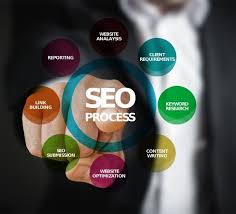
SEO Optimisation Services: A Practical Guide for Growing Your Business
When people need a product, service or answer, they often begin with a search engine. SEO optimisation services help businesses improve their visibility in organic search results, making it easier for potential customers to find and explore their websites.
SEO is not a quick fix or a guarantee of a particular ranking. It is an ongoing process that combines technical improvements, useful content and a better experience for visitors. The right approach can help your website attract relevant traffic and support your wider business goals.
What are SEO optimisation services?
SEO optimisation services are professional activities designed to help a website perform better in search results. Depending on a business’s needs, they may include:
- SEO audits: Reviewing a website to identify technical issues, content gaps and opportunities to improve.
- Keyword research: Discovering the terms and questions potential customers use when searching online.
- On-page SEO: Improving page titles, headings, internal links and content so pages are clear to users and search engines.
- Technical SEO: Addressing factors such as site speed, mobile usability, indexing and website structure.
- Content optimisation: Creating or improving useful pages that answer visitors’ questions and reflect their search intent.
- Local SEO: Helping businesses become more visible to people searching for nearby products or services.
- Performance reporting: Tracking progress using relevant measures, such as organic traffic, rankings and enquiries.
Why does SEO matter?
A well-optimised website can make it easier for search engines to understand what your business offers and which pages are most relevant to a search. Just as importantly, good SEO focuses on the people using your site. Clear information, helpful answers and straightforward navigation can make a visit more useful and encourage potential customers to take the next step.
SEO can also support other marketing activity. Useful content may answer questions before a customer gets in touch, while improved visibility can help more people discover your brand. Results vary, however, and depend on factors such as competition, website history, the quality of implementation and changes to search algorithms.
What does an SEO project involve?
Understanding your business
A good SEO strategy begins with the basics: what you offer, who you want to reach, where you operate and what success means to your business. This helps ensure that the work is focused on relevant visitors rather than traffic for its own sake.
Reviewing the website
An SEO audit can reveal issues that make pages difficult to find, understand or use. These might include broken links, duplicate content, slow-loading pages, confusing navigation or problems with how search engines access the site. Findings should be prioritised according to their likely impact and the effort required to fix them.
Researching search behaviour
Keyword research looks beyond individual search terms to consider what a person is trying to achieve. Someone searching for general information may need a guide, while someone comparing providers may be looking for service details, pricing or reviews. Matching content to this intent helps create a more relevant experience.
Improving content and page structure
Each important page should have a clear purpose and provide useful, accurate information. Descriptive headings, concise page titles and logical internal links can help visitors navigate the site. Content should be written for people first; repeating keywords unnaturally is unlikely to create a good experience.
Measuring and refining
SEO is an ongoing activity. Regular reporting helps show what is changing and where further work may be needed. Useful measures can include organic visits, visibility for relevant searches, engagement, leads and sales. The right metrics depend on the aims of the campaign.
How to choose an SEO provider
SEO providers differ in their methods, specialisms and level of support. Before choosing a service, consider whether the provider:
- takes time to understand your business and audience;
- explains its recommendations in clear language;
- sets realistic expectations and avoids promises of guaranteed rankings;
- uses transparent, ethical practices;
- provides reporting that connects activity with business objectives; and
- can describe what work will be carried out and how it will be prioritised.
Be cautious of claims that a website can reach the top of search results overnight. Search rankings are influenced by many factors, and no provider can control every part of the process. Sustainable SEO usually requires consistent work, informed decisions and time.
SEO as a long-term investment
SEO optimisation services can help build a stronger foundation for your website, but they work best as part of a wider digital strategy. Technical improvements, relevant content and a positive user experience all play a role. By focusing on genuine customer needs and reviewing performance regularly, businesses can make informed improvements and build visibility over time.
SEO Optimisation Services: 20 Frequently Asked Questions About Types, Costs and Benefits
- What are 3 main areas of SEO?
- What is SEO optimization services?
- What are the best SEO services?
- What are the 7 types of SEO?
- What are different SEO services?
- What does SEO optimization do?
- How does SEO work on Fiverr?
- What is meant by SEO optimization?
- How much should SEO services cost?
- What are the SEO services?
- What do SEO services do?
- How much does SEO optimization cost?
- Is it worth paying for SEO services?
- What are SEO optimization services?
- What is the 80 20 rule of SEO?
- How much does SEO services cost?
- What do SEO services provide?
- What are the 3 types of SEO services?
- How much should I pay a SEO specialist?
- What are SEO services and types?
What are 3 main areas of SEO?
The three main areas of SEO are **on-page SEO**, **off-page SEO** and **technical SEO**. On-page SEO improves the content and elements on your website, such as headings, page titles and internal links. Off-page SEO focuses on signals from elsewhere on the web, including links and mentions from reputable sites. Technical SEO helps search engines access, understand and index your website, with work often covering site speed, mobile usability and site structure.
What is SEO optimization services?
SEO optimisation services are professional activities that help a website become more visible in organic search results. They can include researching relevant search terms, improving website content and page structure, fixing technical issues, enhancing local search visibility and monitoring performance. The aim is to help search engines understand the site while making it more useful to visitors, so potential customers can find relevant information, products or services.
What are the best SEO services?
The best SEO services are those that match your business goals, audience and budget, rather than offering a one-size-fits-all package. Look for a provider that can assess your website, explain its recommendations clearly and support the areas you need most, such as technical SEO, keyword research, content optimisation or local SEO. Choose a provider that uses transparent, ethical practices, reports on meaningful results and sets realistic expectations—no one can guarantee a particular search ranking.
What are the 7 types of SEO?
The seven commonly recognised types of SEO are on-page SEO, off-page SEO, technical SEO, local SEO, e-commerce SEO, content SEO and mobile SEO. They cover different ways to improve a website’s visibility: from optimising page content and earning links from other sites to improving site performance, reaching local customers, supporting online shops and ensuring pages work well on mobile devices. The right mix depends on your business, audience and goals.
What are different SEO services?
SEO services cover several areas of improving a website’s visibility in search results. Common types include technical SEO, which addresses site speed, indexing and mobile usability; on-page SEO, which improves page content, headings and internal links; off-page SEO, which focuses on reputation and relevant backlinks; local SEO, which helps businesses appear in location-based searches; and content SEO, which involves planning and improving useful pages for potential customers. Many providers also offer SEO audits, keyword research and performance reporting.
What does SEO optimization do?
SEO optimisation helps improve a website’s visibility in unpaid search results, making it easier for people to find relevant products, services or information. It can involve researching search terms, improving website content and structure, fixing technical issues, and making pages quicker and easier to use. The aim is to help search engines understand the site while giving visitors useful answers and a better experience.
How does SEO work on Fiverr?
On Fiverr, SEO services are offered by independent freelancers and agencies through listings called “Gigs”. You can compare providers, prices, reviews and service details, then choose a package or contact a seller to discuss your website and goals. Services may include keyword research, on-page optimisation, technical audits or content support, so check exactly what is included before ordering. Share relevant information about your business and agree on deliverables and timelines, but be wary of anyone promising guaranteed rankings: SEO results take time and no provider can guarantee a specific position in search results.
What is meant by SEO optimization?
SEO optimisation (also known as search engine optimisation) means improving a website so search engines can understand its pages and show them to people searching for relevant information, products or services. It can involve creating helpful content, improving page titles and site structure, fixing technical issues and making the website easier to use. The aim is to increase relevant visibility in unpaid search results over time; it cannot guarantee a particular ranking.
How much should SEO services cost?
The cost of SEO services depends on your website, goals, competition and the amount of work required. In the UK, a small business might pay around £500–£2,000 a month for ongoing support, while larger or more competitive campaigns can cost considerably more; one-off audits and projects are usually priced according to their scope. Ask for a clear breakdown of the work, reporting and expected timescales, and be wary of unusually cheap offers or guarantees of specific rankings.
What are the SEO services?
SEO services help improve a website’s visibility in organic search results and may include technical audits, keyword research, on-page optimisation, content planning, link building, local SEO and performance reporting. The exact services depend on a business’s goals and website, but the aim is to help search engines understand the site and make it more useful and accessible to potential customers.
What do SEO services do?
SEO services help improve a website’s visibility in organic search results and make it easier for potential customers to find relevant information. They may include technical audits, keyword research, content improvements, on-page optimisation, link building and performance reporting. The exact work depends on your website and business goals, but the aim is to attract more relevant visitors and support actions such as enquiries or sales.
How much does SEO optimization cost?
The cost of SEO optimisation varies depending on your website, industry, competition and the level of support required. A one-off SEO audit will usually cost less than ongoing services that include technical improvements, content creation and regular reporting. Ask providers for a clear breakdown of what is included, how progress will be measured and whether there are any additional costs. Be wary of guarantees of specific rankings, as no provider can control search results.
Is it worth paying for SEO services?
Yes, SEO services can be worth paying for if they help your business attract relevant visitors and achieve goals such as enquiries or sales. A reputable provider can identify technical issues, improve useful content and develop a strategy tailored to your audience—but results usually take time and are not guaranteed. Before committing, ask what work will be done, how progress will be measured and how the service supports your business objectives.
What are SEO optimization services?
SEO optimisation services help improve a website’s visibility in organic search results, making it easier for potential customers to find. They can include keyword research, technical SEO, improving website content and page structure, local SEO and performance monitoring. The aim is to attract relevant visitors and make the site more useful, although results take time and no provider can guarantee specific rankings.
What is the 80 20 rule of SEO?
The 80/20 rule of SEO is a useful way to think about prioritising effort: a relatively small number of actions may deliver a large share of the results. For example, improving a few important pages, fixing major technical problems or targeting high-value search terms could have more impact than making many minor changes. It is not a precise formula—results vary by website—so use performance data to identify which tasks are likely to make the greatest difference.
How much does SEO services cost?
The cost of SEO services depends on your website, goals, industry competition and the amount of work required. Some providers charge a one-off fee for an SEO audit or project, while ongoing support is often billed monthly or by the hour. Ask for a clear breakdown of the work, timescales and reporting, and compare proposals based on what is included rather than price alone. Be wary of guarantees of specific rankings, as no provider can control search results.
What do SEO services provide?
SEO services provide practical support to improve a website’s visibility in organic search results. Depending on your needs, this may include technical audits, keyword research, on-page improvements, content recommendations, local SEO and performance reporting. The aim is to help search engines understand your site, make it more useful for visitors and attract relevant traffic over time.
What are the 3 types of SEO services?
The three main types of SEO services are on-page, off-page and technical SEO. On-page SEO improves the content and elements on your website, such as headings, page titles and internal links. Off-page SEO builds your site’s reputation and authority through activities such as earning links from relevant, reputable websites. Technical SEO focuses on how well search engines can access, understand and index your website, including its speed, mobile usability and structure. These areas work together to improve your visibility in search results.
How much should I pay a SEO specialist?
The cost of an SEO specialist depends on your website, goals and the amount of work required. In the UK, an experienced consultant may charge around £50–£150 per hour, while ongoing support can range from a few hundred pounds to several thousand pounds a month; larger or highly competitive projects may cost more. Ask for a clear breakdown of the work, timescales and reporting, and be wary of guaranteed rankings or unusually cheap packages. The best choice is a specialist whose approach and fees fit your needs—not simply the lowest quote.
What are SEO services and types?
SEO services are professional activities that help improve a website’s visibility in organic search results and attract relevant visitors. Common types include technical SEO, which addresses issues such as site speed and indexing; on-page SEO, which improves page content, titles and structure; off-page SEO, which builds a site’s reputation through relevant links and mentions; local SEO, which helps businesses appear in searches for nearby services; and content SEO, which creates or improves useful pages to meet searchers’ needs. The right combination depends on your website, audience and business goals.