
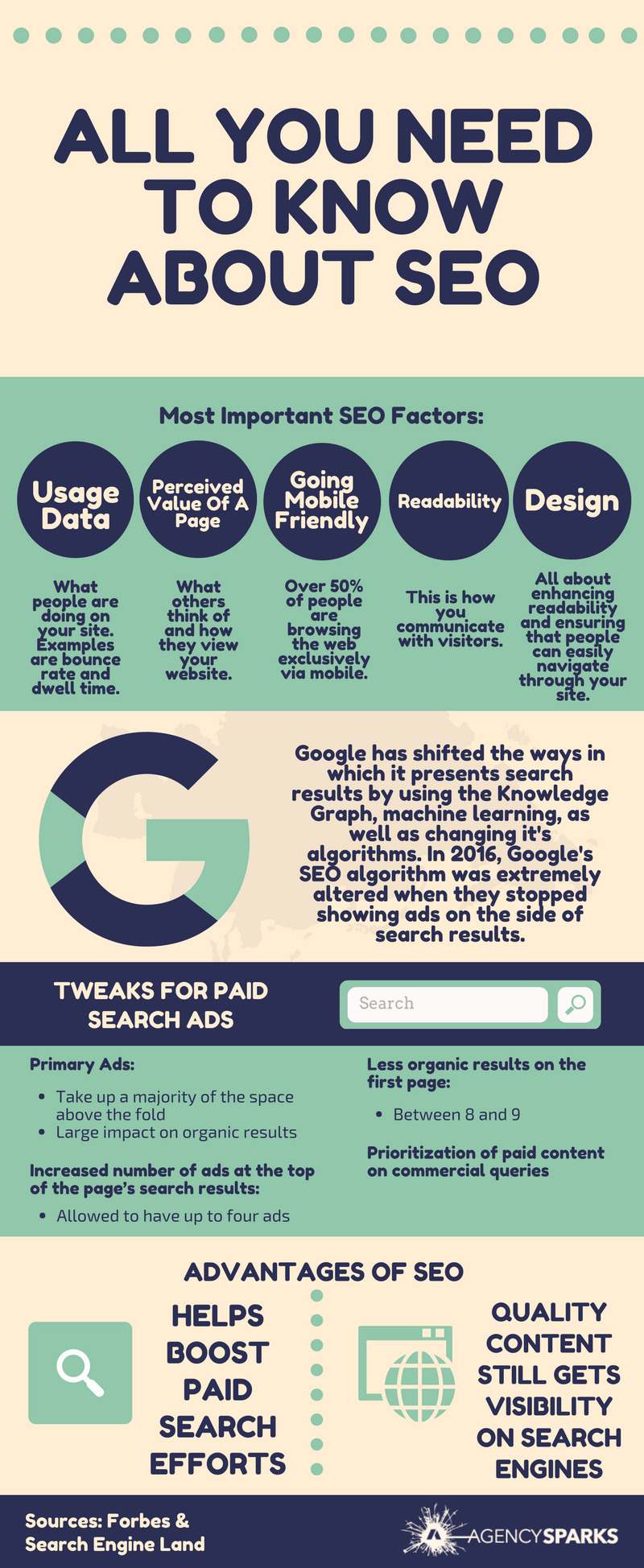
Search Engine Optimisation: How to Help Search Engines Find Your Website
Search engine optimisation (SEO) is the practice of improving a website so that it can be discovered, understood and displayed by search engines. Done well, SEO can help the right people find useful pages when they search for products, services or information. It is a long-term process rather than a quick fix, and no technique can guarantee a particular position in search results.
How search engines work
Search engines generally follow three stages. First, automated programmes discover pages by following links and using sitemaps. Next, they analyse and store information about those pages in an index. Finally, when someone searches, the engine selects and orders results that appear relevant and useful.
A page must be accessible and eligible for indexing before it can appear in organic search results. Search engines also consider many signals when deciding which results to show, including the page’s subject, its usefulness, the searcher’s context and the quality of the website.
Start with the people behind the search
Effective SEO begins with understanding what visitors want to achieve. Someone searching for “how to clean a coffee machine” is likely looking for instructions, while someone searching for a particular machine model may want specifications, reviews or a place to buy it.
Research the questions and phrases your audience uses, then create pages that address those needs clearly. Search terms can help you understand a topic, but they should not be forced into every sentence. Content should sound natural and be written for people first.
Create useful, clear content
High-quality content answers the reader’s question accurately and makes the next step easy to understand. Depending on the subject, that might mean offering a practical guide, a detailed product description, a comparison or a concise explanation.
- Give each page a clear purpose and a distinct main topic.
- Use descriptive headings to organise the information.
- Include relevant detail, examples and reliable sources where appropriate.
- Keep information accurate and review pages when facts or services change.
- Avoid copying content from other websites or publishing pages solely to target search terms.
Make pages easy to understand
Titles and headings help people scan a page and can give search engines useful context. Write a concise, accurate page title and a helpful main heading. A meta description may be used as the text shown beneath a result, although search engines can choose different wording. Treat it as a clear summary rather than a ranking guarantee.
Use readable URLs, descriptive link text and meaningful image alternative text where it helps people using assistive technology. Internal links can guide visitors to related information and help search engines discover other pages on your site.
Look after the technical foundations
Technical SEO helps search engines access and interpret a website. It also supports a better experience for visitors. Check that important pages load correctly, work on mobile devices and are not unintentionally blocked from crawling or indexing.
Useful checks include:
- Make sure the website uses HTTPS.
- Use a clear site structure and working internal links.
- Provide an XML sitemap to help search engines discover important URLs.
- Check for broken pages, redirect problems and duplicate versions of the same content.
- Improve loading performance and ensure pages are usable on different screen sizes.
- Use structured data only when it accurately describes the page and follows search engine guidelines.
Tools such as Google Search Console and analytics platforms can help identify indexing issues, search queries, traffic patterns and user behaviour. These tools provide useful evidence, but their reports need to be interpreted in the context of your website’s goals.
Build trust and reputation
Search visibility is not only about what appears on a page. A website’s reputation and the quality of its references across the web can also matter. Other relevant websites may link to useful resources, but links should be earned naturally through valuable work—not bought or created through manipulative schemes.
Make it easy for visitors to understand who is responsible for the website. Depending on the organisation, clear contact details, business information, editorial standards and author credentials can help establish trust.
Measure progress over time
SEO results often take time, and performance can vary as competitors, search behaviour and search engine systems change. Monitor meaningful measures such as organic visits, relevant enquiries or sales, indexed pages and the queries bringing people to your site. Rankings alone do not show whether visitors are finding what they need.
When performance changes, investigate before making sweeping alterations. Check for technical problems, changes in demand, outdated content or differences in the results being shown. Small, well-informed improvements are usually more useful than chasing every reported ranking factor.
A practical, sustainable approach
Search engine optimisation works best as part of a broader effort to make a website genuinely useful. Understand your audience, publish reliable content, maintain sound technical foundations and review results regularly. By focusing on clear information and a good visitor experience, you can make it easier for search engines—and potential customers or readers—to understand what your website offers.
8 Essential Search Engine Optimisation Tips for Your Website
- Use relevant keywords naturally in your content.
- Write clear, descriptive page titles.
- Create helpful, original content.
- Use headings to organise each page.
- Make your website mobile-friendly.
- Improve page loading speed.
- Add descriptive alt text to images.
- Earn links from reputable websites.
Use relevant keywords naturally in your content.
Use relevant keywords naturally in your content by choosing the words and phrases your audience is likely to search for, then including them where they genuinely fit. Add them to useful places such as headings, page titles and the main text, but prioritise clear, helpful writing over repetition. Avoid “keyword stuffing”, as it can make content difficult to read and does not guarantee better search rankings.
Write clear, descriptive page titles.
Write clear, descriptive page titles that accurately explain what each page is about. A concise title helps visitors decide whether a search result is relevant to them and gives search engines useful context about the page. Place the main topic naturally near the beginning, keep each title unique, and avoid keyword stuffing or vague wording. Titles may be shortened in search results, so make the most important information clear from the outset.
Create helpful, original content.
Create helpful, original content that gives readers a clear reason to visit your website. Focus on answering their questions accurately and in enough detail, using your own expertise, examples or perspective rather than copying other pages. Organise the information with clear headings and straightforward language, and keep it up to date when facts or recommendations change. Useful content is more likely to earn readers’ trust, encourage them to return and help search engines understand what your page is about.
Use headings to organise each page.
Use headings to organise each page, making it easier for visitors to scan the content and find the information they need. Start with one clear main heading, then use descriptive subheadings to divide the page into logical sections. A well-structured hierarchy helps readers follow your ideas and gives search engines useful context about the page’s topics. Keep headings accurate and natural, rather than filling them with repeated keywords.
Make your website mobile-friendly.
Make your website mobile-friendly so visitors can use it comfortably on phones and tablets. Use a responsive design that adapts to different screen sizes, with readable text, easy-to-tap buttons and simple navigation. Ensure pages load quickly and that important content is visible without awkward zooming or horizontal scrolling. A smooth mobile experience helps people find what they need and makes it easier for search engines to understand and serve your pages in mobile search results.
Improve page loading speed.
Improve your page loading speed to make your website easier and more enjoyable to use. Slow pages can frustrate visitors, particularly on mobile devices, and may lead them to leave before the content appears. Compress large images, remove unnecessary code and scripts, and use reliable hosting to help pages load faster. Test your site regularly on different devices and connections, then prioritise fixes that make the biggest difference to visitors.
Add descriptive alt text to images.
Add descriptive alt text to images to explain their content and purpose. This helps people using screen readers understand visual information and gives search engines useful context about the image and its surrounding page. Keep the wording concise and accurate, focusing on what matters rather than repeating keywords. For purely decorative images, use empty alt text so assistive technologies can skip them.
Earn links from reputable websites.
Earn links from reputable websites by creating content that is genuinely useful, original and worth sharing. Relevant links can help people discover your site and may signal to search engines that others consider your content valuable. Focus on building relationships and offering useful resources rather than buying links or using schemes to manipulate rankings, as these practices can damage your site’s credibility and search performance.