
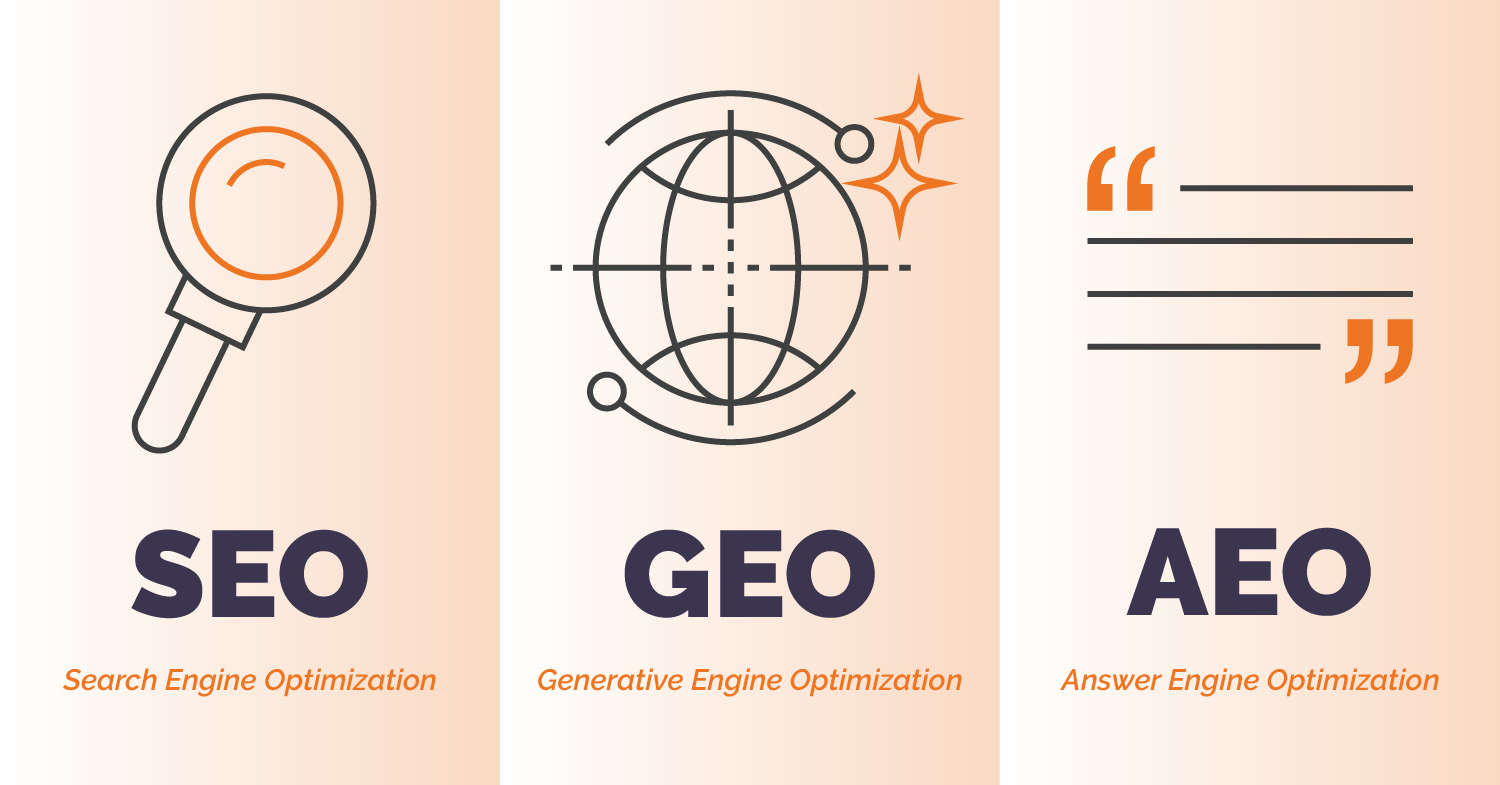
SEO: A Practical Guide to Search Engine Optimisation
Search engine optimisation (SEO) is the process of improving a website so that it is easier for search engines to understand and more useful to the people who visit it. Effective SEO can help relevant pages appear more prominently in unpaid search results, bringing potential customers, readers or visitors to a website.
SEO is not a one-off task or a guarantee of a particular ranking. Search engines regularly update how they assess pages, and the results depend on many factors. A sustainable approach focuses on useful content, a well-built website and a good experience for visitors.
How search engines work
Search engines generally follow three stages: crawling, indexing and ranking. Crawling is the process of discovering pages by following links and other signals. Indexing involves analysing and storing information about those pages. When someone searches, the engine then ranks relevant pages to provide results it believes will best answer the query.
Not every page will necessarily be crawled or indexed, and appearing in the index does not guarantee a high position. Clear site structure, accessible pages and valuable information can make it easier for search engines to interpret a website.
Understand what people are searching for
Good SEO begins with understanding your audience. Consider the questions people ask, the problems they want to solve and the words they use when looking for information, products or services. These search terms are often called keywords.
Keyword research can help identify relevant topics and search intent. Search intent describes what a person is hoping to do: learn something, compare options, find a particular website or make a purchase. A page is more likely to be useful when it matches that intent, rather than simply repeating popular phrases.
Create useful, original content
Content should be written for people first. Aim to provide accurate, clear and genuinely helpful information. Organise longer articles with descriptive headings, explain specialist terms and keep paragraphs easy to follow. Where relevant, support claims with trustworthy sources and keep important information up to date.
Avoid producing pages solely to target keywords or publishing large amounts of repetitive, low-value material. Search engines aim to surface useful results, and visitors are more likely to trust content that answers their questions directly.
Optimise page titles and descriptions
Each important page should have a clear title that accurately describes its subject. Page titles can help search engines and users understand what a page is about, and they may appear as the clickable headline in search results.
A meta description is a short summary that may be shown beneath the title in search results. It does not determine rankings on its own, but a specific and engaging description can help people decide whether to visit the page. Avoid misleading wording and make sure the description reflects the content.
Make the website easy to use
A good website should be straightforward to navigate on both desktop and mobile devices. Use a logical menu, descriptive links and a clear hierarchy of pages. Visitors should be able to find key information without unnecessary effort.
Page speed, mobile usability, accessibility and secure connections also contribute to the overall experience. Compressing large images, reducing unnecessary scripts and using readable text can help make pages more usable. Accessibility improvements, such as meaningful image descriptions and sufficient colour contrast, benefit many visitors.
Pay attention to technical SEO
Technical SEO helps search engines access and understand a website. Important basics include:
- Using a secure HTTPS connection.
- Providing a clear internal linking structure.
- Fixing broken links and avoiding unnecessary duplicate pages.
- Using an XML sitemap to list important URLs.
- Checking that pages intended for search are not accidentally blocked from crawling or indexing.
- Using structured data where appropriate to describe information on a page.
Technical improvements should support a useful website, not become an end in themselves. For complex sites, a technical review can help identify issues that are difficult to spot manually.
Build trust and earn relevant links
Links from other websites can help people discover your content and provide useful context about your site. The strongest approach is to publish something worth referencing, such as original research, a practical guide or a useful resource, and build genuine relationships within your industry.
Avoid buying links or taking part in schemes designed to manipulate rankings. Such tactics can put a website’s visibility at risk and are unlikely to create lasting value. Trust also comes from clear business information, accurate claims and a consistent, professional website.
Consider local SEO
For businesses serving a particular area, local SEO can help connect with nearby customers. Keep your business name, address and telephone number accurate and consistent. Complete relevant business listings, provide up-to-date opening hours and encourage genuine customer reviews without offering incentives that breach platform rules.
Local landing pages should contain useful, specific information about the services offered and the areas served. Avoid creating large numbers of near-identical pages that offer little value to visitors.
Measure progress and keep improving
SEO takes time, so measure a range of results rather than focusing on rankings alone. Useful indicators may include organic visits, search impressions, clicks, enquiries, sales and the performance of important landing pages. Search analytics tools can show which queries bring people to a site and where further improvements may be worthwhile.
Review results regularly, but allow enough time to understand the effect of changes. Search visibility can fluctuate for many reasons, including competition, seasonality and search engine updates. Use the data to guide sensible adjustments rather than making frequent changes in response to short-term movement.
SEO is an ongoing investment
Successful SEO combines helpful content, sound technical foundations and a positive experience for visitors. There is no single trick that guarantees lasting results. By understanding your audience, answering their needs and maintaining a website that is easy to use and understand, you can build a stronger presence in search over time.
9 Essential SEO Tips to Boost Your Website’s Visibility
- Research keywords your audience uses.
- Write clear, descriptive page titles.
- Create useful, original content.
- Use headings to organise each page.
- Add descriptive alt text to images.
- Make your site mobile-friendly.
- Improve page loading speed.
- Link relevant pages together.
- Earn trustworthy backlinks naturally.
Research keywords your audience uses.
Research the words and phrases your audience uses when searching for information, products or services like yours. Keyword research can reveal the questions people ask and help you understand what they hope to find. Use these insights to create clear, relevant content that answers their needs naturally, rather than forcing keywords into every sentence.
Write clear, descriptive page titles.
Write a clear, descriptive page title for every important page on your website. A good title tells people and search engines what the page is about, using concise, natural wording that reflects its content. Place the most important information near the beginning, and avoid vague titles, keyword repetition or using the same title across multiple pages. Clear titles can help your pages stand out in search results and encourage the right visitors to click.
Create useful, original content.
Create useful, original content that answers your audience’s questions and offers something of genuine value. Start by understanding what people are looking for, then explain the topic clearly, accurately and in your own words. Organise information with descriptive headings, keep it up to date and use reliable sources where appropriate. Rather than repeating keywords or publishing material just to attract clicks, focus on helping readers — content that meets their needs is more likely to earn trust, engagement and lasting search visibility.
Use headings to organise each page.
Use headings to organise each page so visitors can quickly understand its structure and find the information they need. Start with one clear main heading, then use relevant subheadings in a logical order to divide the content into sections. Descriptive headings also help search engines understand the topics covered on the page, supporting accessibility and making your content easier to scan.
Add descriptive alt text to images.
Add descriptive alt text to images so people using screen readers can understand what each image shows, and search engines can better interpret its context. Keep it concise and specific, describing the image’s relevant content rather than listing keywords. If an image is purely decorative, use empty alt text so assistive technology can skip it.
Make your site mobile-friendly.
Make sure your website works well on mobile phones as well as desktop computers. Use a responsive design that adapts to different screen sizes, with readable text, easy-to-tap buttons and simple navigation. Keep pages quick to load and avoid layouts that require visitors to zoom or scroll sideways. A mobile-friendly site offers a better experience for users and helps search engines understand that your pages are accessible across devices.
Improve page loading speed.
Improve your page loading speed to give visitors a smoother experience and help them find information without delay. Slow pages can cause people to leave before they have finished loading, particularly on mobile devices or slower connections. Compress image files, remove unnecessary scripts and use efficient hosting to help your pages load faster. Check your website regularly with speed-testing tools, then prioritise fixes that make the biggest difference to real users.
Link relevant pages together.
Link relevant pages together using clear, descriptive links to help visitors find useful information and move naturally around your website. These internal links also help search engines understand how your pages relate to one another and which topics your site covers. Choose link text that accurately describes the destination, and avoid adding links where they do not provide genuine value.
Earn trustworthy backlinks naturally.
Earn trustworthy backlinks naturally by creating useful, original content that other websites genuinely want to reference. This might include a practical guide, expert insight, original research or a helpful resource for your industry. Build relationships with relevant organisations, publishers and communities, and make your content easy to share. Avoid buying links or taking part in schemes designed to manipulate search rankings; genuine recommendations are more likely to support lasting visibility and trust.