
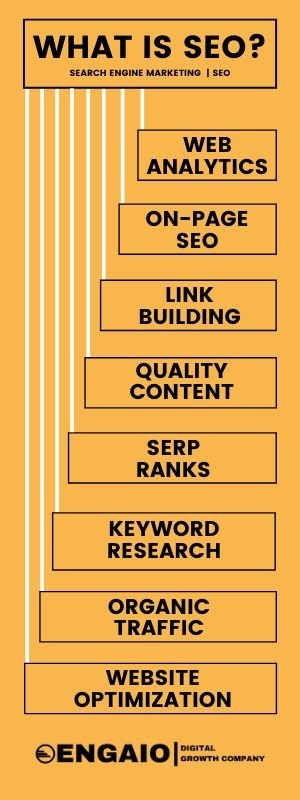
Search Engine Optimisation on the Internet: A Practical Guide
Search engine optimisation (SEO) is the process of improving a website so that it can be discovered more easily in search engine results. On the internet, where people use search engines to find information, products and services, effective SEO can help a website reach a relevant audience and make its content easier to use.
How search engines work
Search engines use automated systems to discover and assess web pages. They analyse factors such as a page’s content, structure, links and usefulness to help decide which results to show for a particular search. Their systems change over time, so SEO is best treated as an ongoing effort rather than a one-off task.
Key parts of SEO
Understand what people are searching for
Keyword research helps identify the words and phrases people use when looking for a topic, product or service. Consider the intent behind each search: someone seeking general advice may need an informative guide, while someone ready to buy may be looking for product details or a place to order. Choose topics that match your audience’s needs, rather than adding keywords where they do not fit.
Create useful, original content
Good content answers real questions clearly and accurately. Organise it around a central topic, use descriptive headings and include practical details that help readers take their next step. Avoid repeating the same phrases simply to influence rankings; this can make a page harder to read without making it more valuable.
Make pages easy to navigate
A clear website structure helps visitors find information and helps search engines understand how pages relate to one another. Use concise navigation, descriptive page titles and links to relevant sections of your site. Each important page should have a clear purpose and be reachable without unnecessary steps.
Pay attention to technical SEO
Technical SEO covers the parts of a site that affect how it can be accessed and understood. Make sure pages load reliably, work well on mobile devices and use secure connections. Check for broken links, duplicate pages and issues that could prevent search engines from discovering important content. A well-structured sitemap and sensible use of indexing settings can also help.
Build trust and credibility
People are more likely to trust a website when it is transparent about who is behind it and provides clear, dependable information. Where appropriate, include details about the organisation, authors, contact options and sources. Links from reputable websites can also help people discover your content, but they should be earned through useful work rather than purchased or manipulated.
Measure and improve
SEO results take time and can vary by industry, competition and the condition of a website. Use analytics and search performance tools to monitor impressions, clicks, visitor behaviour and conversions. Look for pages that are performing well, as well as pages that could be clearer, more up to date or better matched to search intent.
Make changes thoughtfully and assess their effects over time. A sudden change in traffic does not always have a single cause, so consider seasonal patterns, technical problems and changes in what people are searching for.
Common SEO mistakes to avoid
- Writing primarily for search engines instead of people.
- Stuffing pages with keywords or using misleading titles.
- Publishing thin, duplicated or outdated content.
- Ignoring mobile usability and page performance.
- Expecting immediate results or relying on guaranteed-ranking claims.
Conclusion
Search engine optimisation is an important part of building a useful presence on the internet. By understanding your audience, publishing helpful content, maintaining a clear and reliable website, and reviewing performance regularly, you can improve the chances that the right people will find and use your pages. The strongest approach is steady, user-focused and adapted as your website and audience develop.
7 Essential Search Engine Optimisation Tips for Your Website
- Use clear, relevant keywords in your page titles.
- Write helpful content for your intended audience.
- Make your website quick and mobile-friendly.
- Use descriptive headings and image alt text.
- Create links between related pages on your site.
- Earn trustworthy links from relevant websites.
- Check search performance regularly and improve weak pages.
Use clear, relevant keywords in your page titles.
Use clear, relevant keywords in your page titles to help people and search engines quickly understand what each page is about. Choose words that accurately reflect the page’s content and match the terms your audience is likely to search for. Keep titles concise and distinctive, placing the main topic naturally near the beginning where possible. Avoid keyword stuffing or misleading wording: a useful, accurate title is more likely to attract the right visitors.
Write helpful content for your intended audience.
Write helpful content that answers the questions your intended audience is genuinely asking. Use clear, natural language, provide accurate and practical information, and organise the page so it is easy to read. Rather than repeating keywords to influence rankings, focus on giving readers a useful experience; content that meets their needs is more likely to earn their trust and encourage them to return.
Make your website quick and mobile-friendly.
Make your website quick and mobile-friendly to give visitors a smooth experience and help search engines understand that your pages are accessible and usable. Optimise images, reduce unnecessary scripts and test loading times on different devices. Ensure text is easy to read, buttons are simple to tap and pages fit smaller screens without awkward scrolling. A fast, responsive website can encourage visitors to stay longer and make it easier for them to find what they need.
Use descriptive headings and image alt text.
Use clear, descriptive headings to organise your page and help readers quickly find the information they need. Headings also give search engines useful context about the page’s content, especially when they follow a logical order. Add concise, accurate alt text to meaningful images so that people using screen readers can understand what they show; it can also help search engines interpret the images. Keep both headings and alt text natural and relevant, rather than stuffing them with keywords.
Create links between related pages on your site.
Create links between related pages on your site to help visitors find useful information and move naturally from one topic to another. These internal links also help search engines understand how your pages are connected and which content is important. Use clear, descriptive link text that tells readers what to expect, and link only where it is genuinely relevant—avoid adding links simply for the sake of it.
Earn trustworthy links from relevant websites.
Earn trustworthy links from relevant websites by creating useful content that others genuinely want to reference, such as original research, practical guides or expert insights. Links from reputable sites in your field can help people discover your pages and signal their relevance, but focus on earning them naturally through genuine relationships and valuable contributions. Avoid buying links or using schemes designed to manipulate search rankings.
Check search performance regularly and improve weak pages.
Check your search performance regularly to see which pages attract visitors and which may need attention. Review metrics such as impressions, clicks and click-through rates, then look for weak pages that could be clearer, more useful or better matched to what people are searching for. Updating outdated information, improving headings and strengthening links to relevant pages can help make your content more helpful over time.