
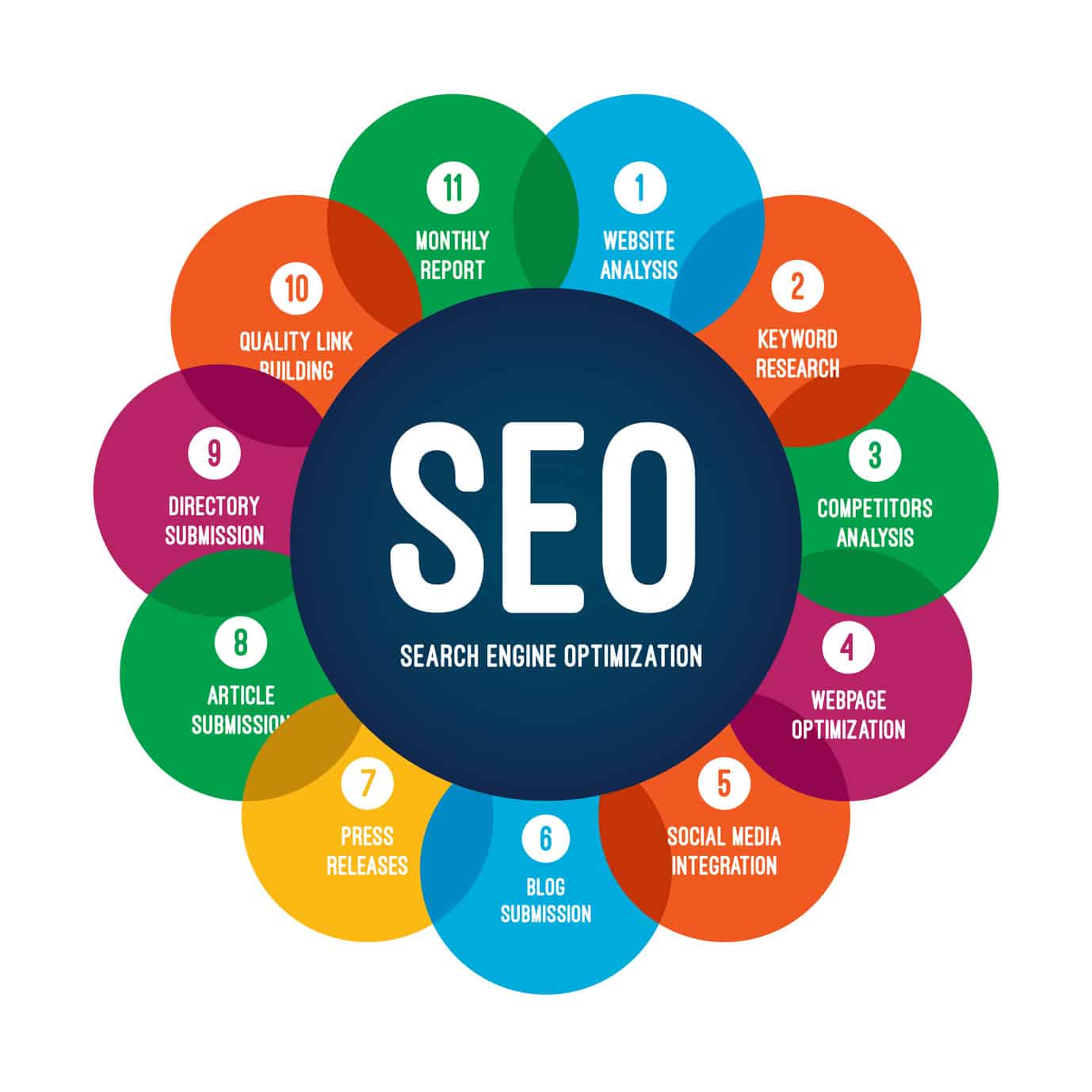
Search Optimisation Marketing: A Practical Guide
Search optimisation marketing helps businesses become easier to find when people look online for products, services or information. It combines search engine optimisation (SEO) with wider digital marketing activities to attract relevant visitors, build trust and encourage meaningful action.
What is search optimisation marketing?
Search optimisation marketing is the process of improving a website’s visibility in search results while making its content more useful to potential customers. SEO is a central part of this work. It focuses on earning visibility in unpaid, or organic, search results through relevant content, sound website structure and a positive user experience.
Search marketing can also include paid search advertising, such as pay-per-click campaigns. Paid adverts can provide visibility quickly, while organic optimisation is generally a longer-term investment. The two approaches can complement each other, but they require different budgets, tactics and measures of success.
Why it matters
People often turn to search engines when they are researching a problem or comparing options. Appearing for the searches that matter to a business can help attract visitors who are already interested in its expertise or products.
Effective optimisation is about more than increasing traffic. It aims to bring the right people to the right pages and help them find clear, reliable information. This can support goals such as enquiries, sales, bookings, newsletter sign-ups or visits to a physical location.
Key elements of an effective strategy
Understand your audience and search intent
Start by identifying the questions, needs and language of your intended audience. A person searching for “how to choose a running shoe” is likely looking for advice, while someone searching for a specific model may be closer to making a purchase. Matching a page to the purpose behind a search is essential.
Research relevant keywords
Keyword research helps reveal the phrases people use when looking for information or services. Consider the topic, the searcher’s intent and whether the phrase is relevant to the business. Avoid choosing keywords solely because they appear popular; a more specific phrase may attract fewer searches but a more suitable audience.
Create useful, trustworthy content
Content should answer real questions clearly and accurately. This may include service pages, product descriptions, guides, comparisons, case studies or frequently asked questions. Organise information with descriptive headings, concise paragraphs and helpful links. Content written primarily to repeat keywords is unlikely to serve readers well.
Improve on-page details
Page titles, headings, meta descriptions and image descriptions help users and search engines understand a page. Use plain, accurate wording that reflects the page’s content. Each important page should have a clear purpose and a useful next step for the visitor.
Build a technically sound website
A website should be easy to crawl, navigate and use. Important considerations include mobile usability, secure connections, sensible site structure, working links and fast-loading pages. Technical issues can make it harder for search engines to discover content and for visitors to complete an action.
Earn relevant links and references
Links from reputable, relevant websites can help people discover a business and provide context about its expertise. Focus on earning genuine references through useful resources, partnerships, industry contributions and strong customer service. Avoid schemes that promise large numbers of links without regard to quality.
Measuring performance
Search optimisation should be assessed against clear business objectives. Useful measures may include organic visits, visibility for relevant searches, engagement with key pages, enquiries, sales and conversion rates. Search rankings can offer insight, but they are only one part of the picture.
Review performance regularly and look for meaningful patterns. If a page receives visits but few enquiries, its content, offer or next steps may need attention. If an important page is difficult to find, its internal links, relevance or technical accessibility may require improvement.
Common mistakes to avoid
- Targeting broad keywords without considering the audience’s intent.
- Publishing content that adds little beyond what is already available.
- Overusing keywords in a way that makes writing unnatural.
- Ignoring mobile users and website performance.
- Expecting organic visibility to improve immediately.
- Measuring success only by rankings or visitor numbers.
Make optimisation an ongoing process
Search behaviour, competitors and website content change over time. A successful search optimisation marketing plan therefore needs regular review: understand what the audience needs, improve pages where there are gaps, check technical performance and measure outcomes against business goals.
By combining useful content, a well-organised website and consistent measurement, businesses can build a stronger presence in search and make it easier for potential customers to take the next step.
Search Optimisation Marketing: 5 Frequently Asked Questions
- What is search optimisation marketing?
- How does search engine optimisation work?
- How long does it take to see results from SEO?
- How much does search optimisation marketing cost?
- What is the difference between SEO and paid search advertising?
What is search optimisation marketing?
Search optimisation marketing is the practice of improving a website’s visibility in search results so that the right people can find relevant products, services or information. It includes search engine optimisation (SEO), such as creating useful content, improving website structure and making pages easier to use. It may also work alongside paid search advertising to reach potential customers. The aim is not simply to attract more visitors, but to connect with people whose needs match what a business offers.
How does search engine optimisation work?
Search engine optimisation (SEO) works by helping search engines discover, understand and rank your website’s pages. Search engines crawl your site, add suitable pages to their index and use signals such as content relevance, site structure, mobile usability, page speed and links to decide which results best answer a search. By creating useful content, making your website technically accessible and improving the experience for visitors, you can increase its chances of appearing for relevant searches. SEO takes time, and rankings cannot be guaranteed, but regular improvements can build visibility and attract more relevant visitors.
How long does it take to see results from SEO?
SEO is a long-term investment, so results rarely appear overnight. Some improvements, such as fixing technical issues or updating existing pages, may have an impact within a few weeks, but noticeable gains in organic visibility and traffic often take several months. The timeframe depends on factors such as your website’s current condition, the competitiveness of your industry, the quality of your content and the consistency of your efforts. Regularly tracking relevant measures—such as qualified traffic, enquiries and sales—can help you understand progress beyond rankings alone.
How much does search optimisation marketing cost?
The cost of search optimisation marketing depends on your goals, industry, competition and the work required. A one-off website audit or consultancy session will usually cost less than ongoing support covering technical improvements, content creation and performance monitoring. Prices also vary between freelancers, agencies and in-house teams. Ask for a clear breakdown of the services, expected timescales and how results will be measured, and compare proposals based on their value and fit—not price alone.
What is the difference between SEO and paid search advertising?
SEO (search engine optimisation) aims to improve a website’s visibility in unpaid search results by making its content, structure and user experience more useful and relevant. It is generally a long-term approach, with results building over time. Paid search advertising places sponsored adverts in search results, usually charging the advertiser when someone clicks. It can generate visibility quickly, but traffic typically stops when the campaign budget ends. The two approaches can work well together: paid search can support immediate campaigns, while SEO helps build lasting organic visibility.