
Search Engine Optimisation Agencies: What They Do and How to Choose One
Search engine optimisation (SEO) helps businesses improve their visibility in organic search results. For many organisations, working with an SEO agency is a way to access specialist knowledge, practical support and extra capacity without building a full in-house team.
Choosing an agency is an important decision. SEO takes time, and results depend on factors such as your website, industry, competition and the quality of the work. Understanding what an agency does—and how to assess its approach—can help you find the right partner.
What does an SEO agency do?
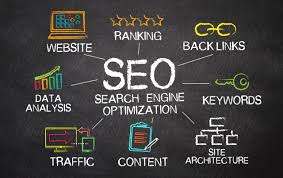
An SEO agency works to make a website easier for search engines to discover, understand and present to relevant users. Its services may include:
- SEO audits: Reviewing a website to identify technical issues, content gaps and opportunities for improvement.
- Technical SEO: Addressing matters such as site speed, mobile usability, crawling, indexing and structured data.
- Keyword and audience research: Exploring the language people use when searching for products, services or information.
- Content optimisation: Improving existing pages and planning useful new content around audience needs.
- On-page SEO: Refining page titles, headings, internal links and other elements that help explain a page’s subject.
- Digital PR and link earning: Supporting activities that can help a business earn relevant mentions and links from other websites.
- Measurement and reporting: Tracking agreed indicators, such as organic traffic, visibility, enquiries or sales.
The right mix of services varies. A new website may need a strong technical foundation, while an established business may benefit more from content improvements or a clearer measurement plan.
Why work with an SEO agency?
SEO combines technical, analytical and creative work. An agency may bring together specialists in areas such as content, web development, data analysis and digital PR. This can be useful when a business lacks the time or expertise to manage every part of SEO internally.
An agency can also provide an outside perspective. It may identify barriers that are difficult to see from within the organisation, help prioritise work and give teams practical recommendations. However, an agency is not a substitute for business knowledge: the most effective work usually relies on close collaboration with people who understand the company, its customers and its goals.
How to choose an SEO agency
Start with your objectives
Before speaking to agencies, clarify what you want SEO to achieve. Your goals might include increasing qualified enquiries, growing online sales, improving visibility in a particular location or making better use of existing website content. Clear objectives make it easier to compare proposals and judge progress.
Look for a clear, tailored approach
A good proposal should reflect your website, market and business priorities. Be cautious of providers offering identical packages or guaranteed rankings before they have assessed your situation. Search results are influenced by many factors, so responsible agencies explain what they can control and where uncertainty remains.
Ask how success will be measured
Rankings and traffic can be useful indicators, but they do not tell the whole story. Ask how the agency will connect its work to meaningful outcomes, such as relevant leads, revenue or conversions. Agree on reporting frequency, the data sources used and how results will be interpreted.
Understand who will do the work
Find out who will manage your account and who will carry out the work. Ask about communication, meeting schedules and how recommendations will be implemented. If your team needs to make changes to the website, clarify whether the agency will provide implementation support or simply supply guidance.
Check experience and communication
Ask for examples of relevant projects and the agency’s role in them. Case studies can offer useful context, but results from one business cannot guarantee the same outcome for another. Look for clear explanations, realistic expectations and a willingness to answer questions without relying on unnecessary jargon.
Questions to ask before signing
- What would you prioritise during the first few months, and why?
- What information or access will you need from our team?
- How will you report progress and explain changes in performance?
- Which activities are included in the fee, and what may cost extra?
- How do you approach link building and content quality?
- What happens if we decide to end the agreement?
Common warning signs
Be cautious of promises of guaranteed first-place rankings, unusually fast results or large numbers of links without a clear explanation of their quality. Other warning signs include vague reports, reluctance to discuss methods, pressure to sign a long contract immediately and claims that an agency has a special relationship with a search engine.
SEO is an ongoing process rather than a one-off fix. Meaningful improvements can take time, and an agency should be open about the work involved, the risks and the limits of what can be predicted.
Making the partnership work
SEO agencies are most effective when they have access to the right people, information and systems. Share relevant business priorities, product updates and customer insights. Make sure recommendations have an owner and a route to implementation, whether that is through your internal team, a developer or the agency itself.
Review progress regularly, but avoid judging the partnership on a single short-term change. Look at the work delivered, the quality of the strategy and the contribution SEO is making to your wider business objectives.
Conclusion
A search engine optimisation agency can help a business improve its website, reach relevant audiences and build a more considered organic search strategy. The best choice is not necessarily the agency with the biggest promises or the longest list of services. Look for a partner that understands your objectives, explains its approach clearly and measures progress in a way that matters to your business.
9 Advantages of Partnering with SEO Agencies: Enhancing Visibility, Strategy, and Efficiency
- Provide specialist SEO expertise
- Improve organic search visibility
- Identify technical website issues
- Support keyword and audience research
- Help create useful, search-focused content
- Track performance with clear metrics
- Save time for in-house teams
- Offer fresh perspectives and insights
- Adapt strategies to changing search trends
7 Potential Drawbacks of Hiring SEO Agencies
- Can be expensive
- Results may take months
- Quality varies between agencies
- Some use questionable tactics
- Reporting can be unclear
- May lack industry knowledge
- You may have less direct control
Provide specialist SEO expertise
SEO agencies provide specialist expertise that can be difficult to build in-house. Their teams stay up to date with search engine developments and bring practical knowledge of technical SEO, content optimisation, keyword research and performance analysis. This helps businesses identify the improvements most likely to support their goals and apply them using informed, considered strategies.
Improve organic search visibility
One of the key benefits of working with a search engine optimisation agency is improved visibility in organic search results. By researching relevant search terms, optimising website pages and resolving technical issues, an agency can help your business appear more prominently when potential customers look for products or services like yours. Greater visibility can attract more relevant visitors to your website over time, without relying solely on paid advertising.
Identify technical website issues
An SEO agency can identify technical website issues that may make it harder for search engines to crawl, index or understand your pages. Specialists can review areas such as site speed, mobile usability, broken links, duplicate content and indexing settings, then recommend practical fixes. Addressing these problems can improve the experience for visitors and help your website perform more effectively in organic search.
Support keyword and audience research
Search engine optimisation agencies can support keyword and audience research by identifying the terms people use when looking for products, services or information like yours. They can also help uncover what different audiences need at each stage of their decision-making, making it easier to plan relevant pages and useful content. This research helps businesses focus their SEO efforts on searches that are more closely aligned with their customers and objectives.
Help create useful, search-focused content
Search engine optimisation agencies can help businesses create useful, search-focused content that answers their audience’s questions and reflects what people are looking for online. By researching search terms and understanding user intent, they can suggest relevant topics, improve existing pages and organise information so it is clear and easy to navigate. The aim is not simply to include keywords, but to produce valuable content that serves readers while making it easier for search engines to understand.
Track performance with clear metrics
A search engine optimisation agency can track performance using clear, agreed metrics, helping you see whether your SEO activity is making a difference. Depending on your goals, these may include organic traffic, search visibility, qualified enquiries, conversions or online sales. Regular reports can show what is improving, highlight areas that need attention and make it easier to decide where to focus next.
Save time for in-house teams
Save time for in-house teams
Working with an SEO agency can free up your in-house team to focus on its core responsibilities. Instead of spending hours researching keywords, checking technical issues and monitoring search performance, your staff can rely on the agency’s specialist expertise to manage these tasks. This can make day-to-day workloads more manageable while helping SEO work progress consistently in support of your business goals.
Offer fresh perspectives and insights
Fresh Perspectives and Insights
A search engine optimisation agency can bring an objective perspective to your website and marketing strategy. Because its team works with a range of businesses and industries, it may spot overlooked opportunities, identify issues that are difficult to see internally and share insights into changing search behaviour. These outside viewpoints can help your business make more informed decisions and find new ways to improve its organic visibility.
Adapt strategies to changing search trends
SEO agencies monitor changes in search behaviour, industry developments and search engine updates, then adapt their strategies to keep a business visible and relevant. By reviewing performance data and emerging trends, they can adjust keyword priorities, content and technical improvements as audience needs evolve.
Can be expensive
One potential drawback of hiring a search engine optimisation agency is the cost. Ongoing SEO work can require a significant monthly budget, particularly when it includes technical improvements, content creation and digital PR. For smaller businesses, the expense may be difficult to justify, especially as results can take time and are not guaranteed. Before committing, compare agencies’ fees, clarify what is included and consider whether the expected benefits fit your budget and business goals.
Results may take months
One of the main drawbacks of working with an SEO agency is that results may take months to appear. Improving a website’s visibility involves research, technical changes and ongoing content work, while search engines need time to discover and assess those changes. The pace of progress can also depend on competition, the website’s current condition and how quickly recommendations are put into practice. SEO is therefore a long-term investment, rather than a quick fix, and businesses should agree realistic expectations with their agency from the outset.
Quality varies between agencies
The quality of SEO agencies can vary considerably. Some offer experienced specialists, transparent methods and tailored strategies, while others rely on generic recommendations or outdated tactics. This can make it difficult to judge the value of a service before committing, so it’s worth checking an agency’s relevant experience, asking how it measures success and looking for clear, realistic explanations of its approach.
Some use questionable tactics
Some search engine optimisation agencies use questionable tactics, such as creating low-quality backlinks, publishing thin or duplicated content, or making changes designed to manipulate rankings rather than help users. These approaches may deliver short-term gains, but they can damage a website’s reputation and risk search engine penalties. Before hiring an agency, ask it to explain its methods, how it builds links and how it ensures its work follows search engine guidelines.
Reporting can be unclear
Reporting can be unclear when an SEO agency focuses on technical jargon, rankings or traffic figures without explaining what they mean for your business. This can make it difficult to understand which work has been completed, whether progress is being made and how SEO is contributing to enquiries or sales. Before signing, agree on a regular reporting schedule and ask for clear explanations of the metrics, results and next steps.
May lack industry knowledge
An SEO agency may not have in-depth knowledge of your industry, its terminology, regulations or customer behaviour. This can lead to recommendations or content that feel generic, miss important nuances or fail to address what your audience is really looking for. To reduce this risk, choose an agency with relevant experience—or make sure it is willing to learn from your team and involve your subject-matter experts.
You may have less direct control
Working with a search engine optimisation agency can mean having less direct control over day-to-day decisions and changes to your website. The agency may manage priorities, content recommendations or technical updates, and its approach might not always match your preferences or internal processes. Clear communication, agreed approval steps and regular progress reviews can help you stay involved and ensure the work remains aligned with your business goals.