
Search Engine Optimisation (SEO) Services: A Guide for UK Businesses
When people need a product or service, many begin by searching online. Search engine optimisation (SEO) helps your website appear in relevant search results, making it easier for potential customers to find your business. For organisations looking to build their online presence, professional SEO services can provide a structured way to improve visibility and attract more relevant visitors.
What is SEO?
SEO is the process of improving a website so that search engines can understand its content and users can find it more easily. It involves a range of activities, from researching the terms people use when searching to improving website content, performance and structure.
SEO is not a one-off task or a guarantee of a particular ranking. Search results change over time, and effective optimisation usually requires ongoing work, measurement and refinement.
What do SEO services include?
SEO services vary between providers, but a well-rounded programme may include the following:
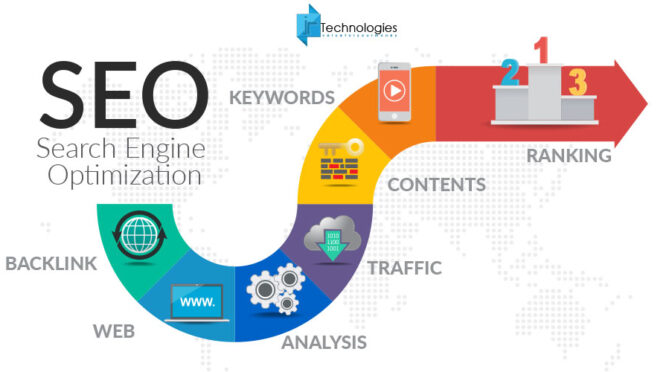
- SEO audits: A review of your website to identify technical issues, content gaps and opportunities to improve.
- Keyword research: Finding the search terms that are relevant to your products, services and customers.
- On-page optimisation: Improving page titles, headings, copy, internal links and other elements to make pages clearer and more useful.
- Technical SEO: Addressing aspects such as site speed, mobile usability, indexing, site architecture and structured data where appropriate.
- Content planning and creation: Developing useful pages and articles that answer customers’ questions and support their needs.
- Local SEO: Helping businesses improve their visibility in searches with local intent, including maintaining accurate business information online.
- Reporting and analysis: Tracking relevant measures, such as organic traffic, search visibility, enquiries and conversions.
Why invest in SEO?
SEO can help a business reach people who are actively looking for information, products or services. A stronger presence in relevant search results may support brand awareness, bring more qualified visitors to a website and contribute to enquiries or sales.
Unlike paid advertising, organic search visibility is not purchased on a per-click basis. However, SEO still requires investment in expertise, content and website improvements, and results can take time. The benefits depend on your market, competition, website and the quality of the work carried out.
How to choose an SEO provider
Choosing an SEO provider is about finding a team that understands your objectives and can explain its approach clearly. Before committing, consider asking:
- What will the work include, and which activities are excluded?
- How will progress be measured and reported?
- Who will create or approve website content?
- How will the strategy reflect your industry, audience and location?
- What assumptions are being made about timelines and outcomes?
Be cautious of promises to guarantee a number-one ranking or deliver instant results. No provider can control search engine algorithms, and a responsible SEO strategy focuses on sustainable improvements rather than shortcuts.
SEO is an ongoing process
Search engines, competitors and customer behaviour all change. Regular reviews help businesses identify what is working, address new issues and adapt their content to meet users’ needs. SEO works best when it is considered alongside website design, user experience, paid marketing and wider business goals.
Build a stronger presence in search
Search engine optimisation services can help make your website more accessible, useful and discoverable. By combining technical improvements, relevant content and clear measurement, businesses can build a more considered approach to organic search and create a better experience for prospective customers.
5 Key Benefits of Search Engine Optimisation (SEO) Services
- Improves visibility in search results
- Attracts relevant website visitors
- Supports long-term organic growth
- Helps build trust and credibility
- Measures progress with clear data
Six Drawbacks of Search Engine Optimisation (SEO) Services
- Results can take months to appear.
- Rankings are never guaranteed.
- Ongoing work can be costly.
- Algorithm changes may affect visibility.
- Poor tactics can damage rankings.
- Results can be difficult to attribute.
Improves visibility in search results
Search engine optimisation (SEO) services can improve your website’s visibility in search results, helping more potential customers discover your business when they search for relevant products or services. By refining your website’s content, structure and technical performance, SEO can make it easier for search engines to understand and show your pages for appropriate searches. This increased visibility can support brand awareness and attract more relevant visitors over time.
Attracts relevant website visitors
One of the key benefits of search engine optimisation (SEO) services is their ability to attract relevant website visitors. By targeting the search terms your potential customers use, SEO helps connect your business with people who are already looking for products, services or information like yours. This can bring in more qualified traffic and increase the likelihood of meaningful enquiries, bookings or sales.
Supports long-term organic growth
SEO services can support long-term organic growth by helping your website become more visible in relevant search results over time. Through ongoing improvements to technical performance, content and user experience, your site can attract a steady flow of visitors who are actively looking for what you offer. Unlike short-term campaigns, the benefits of SEO can continue beyond the initial work, although results take time and depend on regular updates and changes in search behaviour.
Helps build trust and credibility
SEO services can help build trust and credibility by making your website easier to find and ensuring it provides useful, relevant information. Clear content, a well-organised site and a positive user experience can help visitors feel more confident in your business. Appearing prominently in relevant search results may also strengthen brand recognition over time, helping potential customers see your organisation as an established and reliable choice.
Measures progress with clear data
SEO services make it easier to measure progress with clear data. Regular reports can show changes in organic traffic, search visibility, website enquiries and conversions, helping you understand which activities are working and where improvements may be needed. This evidence-based approach supports informed decisions and keeps your SEO strategy focused on meaningful business goals.
Results can take months to appear.
One drawback of search engine optimisation (SEO) services is that results can take months to appear. Improvements to rankings, organic traffic and enquiries are rarely immediate, as search engines need time to crawl and assess website changes, while competition and algorithm updates can also affect progress. Businesses should therefore view SEO as a long-term investment and agree realistic milestones with their provider, rather than expect instant results.
Rankings are never guaranteed.
One drawback of SEO services is that rankings are never guaranteed. Search engines regularly update how they assess websites, while competitors may also improve their own SEO. Even a well-planned campaign cannot promise a specific position or timescale, so it’s important to focus on broader measures of success, such as relevant traffic, enquiries and conversions.
Ongoing work can be costly.
One potential drawback of SEO services is that the work needs to continue over time, which can make it costly. Search engines update their systems, competitors adjust their strategies and websites need regular improvements to stay relevant. This may involve ongoing fees for technical support, content creation and performance monitoring, so it is important to set a realistic budget and weigh the long-term investment against your business goals.
Algorithm changes may affect visibility.
One drawback of SEO is that search engines regularly update their algorithms, which can affect how websites are ranked. Even a well-performing site may lose visibility after an update, potentially reducing organic traffic and enquiries. Businesses can minimise the impact by following sound SEO practices, keeping content useful and up to date, and monitoring performance, but rankings can never be guaranteed.
Poor tactics can damage rankings.
Poor SEO tactics can do more harm than good. Practices such as keyword stuffing, buying low-quality backlinks or publishing thin, unhelpful content may breach search engine guidelines and damage your website’s rankings and reputation. Recovering from these issues can take considerable time, so it’s important to choose an SEO provider that prioritises ethical, sustainable methods.
Results can be difficult to attribute.
One drawback of SEO services is that results can be difficult to attribute to specific activities. Improvements in traffic, enquiries or sales may reflect several factors at once, including seasonal demand, changes to your website, other marketing campaigns and shifts in search engine algorithms. Because SEO often takes time to produce results, it can also be challenging to link a particular change directly to a business outcome. Clear reporting and agreed measures can help, but they cannot always show exactly which activity caused the improvement.