
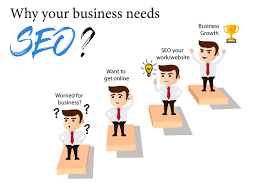
SEO for Business: A Practical Guide to Growing Your Online Visibility
Search engine optimisation (SEO) helps businesses improve their visibility in unpaid search results. When potential customers search online for a product, service or answer, effective SEO can make it easier for them to find your website. It is not a quick fix, but a long-term way to attract relevant visitors and build trust.
Why SEO matters for businesses
A well-optimised website can help your business reach people who are already looking for what you offer. Unlike advertising, which usually stops bringing visits when a campaign ends, SEO can continue to attract traffic over time. Strong organic visibility may also support brand awareness, enquiries and sales.
SEO is relevant to businesses of all sizes. A local tradesperson might want to appear in searches within a particular town, while an online retailer may aim to reach customers across the country. The right approach depends on your audience, location and business goals.
Start with your customers and keywords
Good SEO begins with understanding what your customers need. Consider the questions they ask, the problems they want to solve and the words they use when searching. Keyword research can help identify these topics and reveal which searches are relevant to your products or services.
Choose keywords that match your offering and the intent behind a search. Someone searching for general advice may be at an early stage, while someone looking for a specific service or product may be closer to making a decision. Your website should provide useful content for both where appropriate.
Create useful, original content
Content should be written for people first. Clear service pages, product descriptions, guides and answers to common questions can help visitors understand what you do and decide whether it suits their needs. Avoid repeating keywords unnaturally or publishing pages that offer little value.
Organise content around your customers’ needs. Use descriptive headings, concise paragraphs and straightforward language. Include accurate details about your services, experience and ways to get in touch, and review important pages regularly to keep them up to date.
Make your website easy to use
Technical SEO helps search engines access and understand your website. It also supports a better experience for visitors. Check that your pages load reliably, work well on mobile devices and have a logical structure. Secure browsing, clear navigation and useful page titles all contribute to a professional website.
Each important page should have a clear purpose. Use descriptive page titles and headings, link related pages together where useful, and make sure images have appropriate alternative text when they convey information. Fix broken links and avoid creating duplicate or confusing pages.
Build local visibility
For businesses serving a particular area, local SEO can help connect with nearby customers. Keep your business name, address and telephone number consistent wherever they appear online. Create or update your business profile on relevant local platforms, and provide accurate opening hours and service details.
Customer reviews can also influence how people view your business. Encourage genuine feedback, respond professionally and never post or purchase misleading reviews. Local landing pages should offer useful information about the areas you serve rather than simply repeating place names.
Measure progress and keep improving
SEO works best as an ongoing process. Use analytics and search performance tools to monitor measures such as organic visits, search impressions, enquiries and sales. Rankings can fluctuate, so assess performance over time and focus on outcomes that matter to your business.
If a page is attracting visitors but not generating enquiries, consider whether its content, calls to action or user experience could be improved. If an important page is not gaining visibility, review its relevance, quality and technical accessibility. Make changes based on evidence rather than chasing every new trend.
Common SEO mistakes to avoid
- Choosing keywords only because they have high search volumes, without considering relevance.
- Publishing thin, copied or repetitive content.
- Overloading pages with keywords or misleading metadata.
- Ignoring mobile usability, page errors or slow performance.
- Expecting immediate results or guaranteeing specific rankings.
Make SEO part of your business strategy
Successful SEO combines useful content, sound website foundations and a clear understanding of your customers. Set realistic goals, prioritise the pages that matter most and review your progress regularly. With consistent effort, SEO can become a valuable part of how your business reaches and serves people online.
9 SEO Tips to Help Your Business Get Found Online
- Research the search terms your customers use.
- Create useful, original content for each key service.
- Write clear page titles and meta descriptions.
- Use descriptive headings and URLs.
- Make your website fast and mobile-friendly.
- Add accurate local business details across directories.
- Earn links from trusted, relevant websites.
- Use descriptive alt text for images.
- Review search performance and update content regularly.
Research the search terms your customers use.
Research the search terms your customers use to understand what they are looking for and how they describe it. Think about the questions they ask, the problems they need to solve and the words they might type into a search engine. Use keyword research tools, customer feedback and conversations with your team to find relevant terms, then create helpful pages that answer those needs naturally. Focus on relevance and intent rather than simply choosing the most popular keywords.
Create useful, original content for each key service.
Create useful, original content for every key service so visitors can quickly understand what you offer, who it is for and how it can help them. Explain the details customers commonly want to know, such as your process, expertise, service area and what to expect, using clear language rather than generic claims or copied text. Content that genuinely answers people’s questions can improve the usefulness of your website for both visitors and search engines.
Write clear page titles and meta descriptions.
Write a clear, unique page title and meta description for every important page on your website. The title should briefly describe the page and include its main topic, while the description should give searchers a useful, accurate reason to visit. Keep both relevant and easy to read, rather than cramming in keywords. Although meta descriptions do not directly determine rankings, they can help people understand what your page offers and encourage the right visitors to click.
Use descriptive headings and URLs.
Use descriptive headings and URLs to help visitors and search engines understand what each page is about. Headings should organise your content clearly, with a main heading followed by relevant subheadings that describe the sections below. Keep URLs short, readable and specific to the page—for example, use “/business-seo-guide” rather than a string of numbers or unclear terms. Clear headings and URLs make pages easier to navigate and share, while helping set accurate expectations about their content.
Make your website fast and mobile-friendly.
Make your website fast and mobile-friendly to give visitors a smooth experience and help them find what they need. Many people browse on smartphones, so pages should load quickly, text should be easy to read and buttons should be simple to tap. Compressing large images, limiting unnecessary features and testing your site on different screen sizes can improve usability. A responsive, reliable website can also support your SEO by making it easier for search engines to access and understand your pages.
Add accurate local business details across directories.
Add your business details consistently across relevant online directories, including your name, address, phone number, website and opening hours. Accurate, matching information helps customers find and contact you, while reducing confusion about which details are correct. Review your listings regularly, update them when anything changes and focus on reputable directories that are relevant to your location and industry.
Earn links from trusted, relevant websites.
Earn links from trusted, relevant websites to strengthen your business’s credibility and help search engines understand what your site is about. Focus on creating genuinely useful content that others will want to reference, and build relationships with reputable organisations, suppliers, industry publications and local groups. Avoid buying links or joining schemes that promise large numbers of backlinks, as low-quality or manipulative links can harm your site’s reputation.
Use descriptive alt text for images.
Use descriptive alt text to explain the purpose or content of images on your website. This helps people using screen readers understand relevant visual information and gives search engines useful context about the image. Keep the text concise and specific, and avoid simply cramming in keywords. For decorative images that add no meaningful information, use empty alt text so assistive technology can skip them.
Review search performance and update content regularly.
Review your search performance regularly to see which pages attract visitors, what search terms people use and where there may be opportunities to improve. Use these insights to refresh outdated information, clarify key points and make content more useful to your audience. Regular updates help keep your website accurate and relevant, while giving your business a better chance of meeting changing customer needs.