
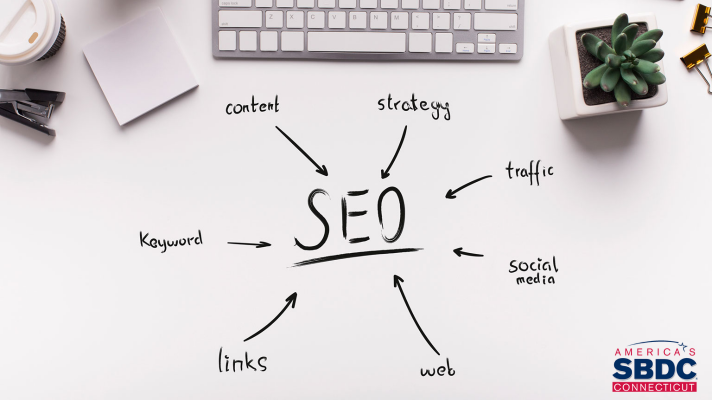
SEO and Keyword Optimisation: A Practical Guide
Search engine optimisation (SEO) helps people find useful, relevant content through search engines. Keyword optimisation is one part of SEO: it involves understanding the words and phrases people use when searching, then making sure your pages answer their needs clearly.
Effective optimisation is not about repeating a keyword as often as possible. It is about matching a page to the purpose behind a search and making that page clear, helpful and easy to use.
What are keywords?
Keywords are the words and phrases people enter into search engines. They can be broad, such as “running shoes”, or more specific, such as “waterproof trail running shoes for winter”. Specific searches often reveal more about what someone wants, whether that is information, a product comparison or a place to buy.
Keywords can be grouped by search intent:
- Informational: the searcher wants to learn something, such as “how to improve website speed”.
- Navigational: the searcher is looking for a particular website or brand.
- Commercial: the searcher is researching options, such as “best email marketing software for small businesses”.
- Transactional: the searcher is ready to take action, such as “buy a waterproof cycling jacket”.
Start with keyword research
Good keyword research begins with your audience. Consider the questions customers ask, the problems they need to solve and the language they use to describe your products or services. Customer enquiries, sales conversations and on-site search data can all provide useful ideas.
Keyword research tools can help you explore related searches, estimate search demand and identify competing pages. Treat these figures as indicators rather than guarantees. A keyword with a high search volume is not automatically valuable if it is irrelevant to your organisation or difficult to serve well.
When assessing a potential keyword, consider:
- Relevance: Does the search relate closely to the page and your audience?
- Intent: What does the searcher appear to want to achieve?
- Competition: Are the current results dominated by well-established pages or sites?
- Value: Could attracting this visitor support a meaningful business or information goal?
Match keywords to the right pages
Once you have a list of relevant searches, group similar terms by topic and intent. Assign each group to the page best suited to meet that need. For example, a detailed guide might target informational searches, while a product page should focus on searches from people comparing or buying that product.
This process helps prevent several pages from competing for the same topic. It also makes your website easier to navigate, because each page has a clear purpose.
Optimise pages naturally
Use the main topic and relevant terms in places that help readers and search engines understand the page. These may include:
- The page title and main heading
- The opening paragraphs, where the topic can be introduced clearly
- Descriptive subheadings
- The page address, where a short and readable URL is appropriate
- Image file names and alternative text, when these accurately describe the image
- Internal links, using descriptive wording that explains what the linked page offers
These elements should read naturally. Avoid forcing keywords into every heading or paragraph. Search engines can interpret related language and context, so a page can cover a subject thoroughly without repeating one exact phrase.
Create content that satisfies the search
Before writing or updating a page, look at the kinds of results appearing for your target search. Consider whether people are looking for a guide, a list, a product page, a local service or another format. This can help you understand expectations, but it should not mean copying existing pages.
Make your content genuinely useful. Answer the main question early, explain important details, and organise information with clear headings. Include original experience, practical examples or helpful guidance where appropriate. Avoid adding length for its own sake: a concise, complete answer can be more useful than a long page that repeats itself.
Avoid keyword stuffing
Keyword stuffing is the excessive or unnatural use of keywords. It makes content difficult to read and can undermine trust. Instead, write for people first, use terminology that fits the subject, and check that every section contributes something useful.
Also avoid creating many near-identical pages simply to target small variations of the same search. Where the intent and information are essentially the same, a single well-developed page may serve visitors better.
Measure and improve
SEO is an ongoing process. Use search performance and website analytics tools to review how pages are performing. Useful measures may include search impressions, clicks, click-through rate, rankings, relevant visits and meaningful actions such as enquiries or purchases.
Look for patterns rather than reacting to a single change in position. If a page receives impressions but few clicks, its title and description may need to communicate its value more clearly. If it attracts visitors who leave without finding what they need, the content, page experience or search intent match may need attention.
Build a sustainable keyword strategy
Strong keyword optimisation combines research, clear organisation and helpful content. Choose searches that matter to your audience, match them to pages with a clear purpose, and write in a way that answers the underlying need. Review results over time and improve pages when you have a good reason to do so.
When keyword optimisation supports a useful website experience, it can help the right people discover your content—and help them find what they came for.
SEO and Keyword Optimisation: 16 Frequently Asked Questions
- How does SEO work with keywords?
- Are keywords and SEO the same?
- What is the difference between SEO and keywords?
- What is SEO job salary?
- What are the 7 types of SEO?
- What are the 3 types of SEO optimizations?
- What is SEO keyword optimization?
- What is SEO and examples?
- How do I use SEO to improve keywords?
- What is SEO for website?
- What is an example of SEO?
- Are SEO and keywords the same thing?
- How do I improve SEO with keywords?
- How do you optimize for SEO?
- How do you optimize SEO?
- What is SEO keywords example?
How does SEO work with keywords?
SEO uses keywords to help search engines understand what a page is about and when it may be relevant to a search. By researching the terms your audience uses and including them naturally in useful content, headings, page titles and descriptions, you can improve the chance of your page appearing for relevant searches. The aim is to match the searcher’s intent—not to repeat keywords excessively—while providing a clear, helpful answer.
Are keywords and SEO the same?
No. Keywords and SEO are related, but they are not the same. Keywords are the words and phrases people use when searching online, while search engine optimisation (SEO) is the broader process of helping pages appear in relevant search results. Keyword research and using suitable terms in helpful, well-structured content are part of SEO, alongside factors such as website usability, page speed, technical setup and the quality of links.
What is the difference between SEO and keywords?
SEO (search engine optimisation) is the broader process of improving a website so that it is easier for search engines and people to find, understand and use. Keywords are the words and phrases people search for, and keyword optimisation is one part of SEO: it involves using relevant terms naturally in useful content and page elements. In short, keywords help guide your content, while SEO also includes factors such as site structure, page speed, links and user experience.
What is SEO job salary?
The salary for an SEO job in the UK varies depending on experience, location, specialism and the size of the employer. Entry-level SEO assistants may earn around £22,000–£28,000 a year, while experienced SEO specialists and managers often earn approximately £30,000–£50,000. Senior or technical SEO roles, and positions at larger organisations, can pay more. These figures are indicative rather than guaranteed, so check current job adverts and salary surveys for the most up-to-date information.
What are the 7 types of SEO?
The seven commonly recognised types of SEO are on-page SEO, which improves page content and structure; off-page SEO, which builds authority through signals such as reputable backlinks; technical SEO, which helps search engines crawl and index a website; local SEO, which supports visibility in location-based searches; international SEO, which targets audiences in different countries or languages; e-commerce SEO, which improves the visibility of online shops and product pages; and content SEO, which focuses on planning and creating useful content around relevant search terms. These categories can overlap, and the right priorities depend on your website, audience and goals.
What are the 3 types of SEO optimizations?
The three main types of SEO optimisation are on-page, off-page and technical SEO. On-page SEO focuses on the content and elements of your website, including keyword use, headings and page titles. Off-page SEO covers signals from elsewhere on the web, such as links from reputable websites and brand mentions. Technical SEO improves how search engines crawl, understand and index your site, with attention to factors such as site speed, mobile usability and secure connections. Together, these areas help make a website more discoverable and useful for visitors.
What is SEO keyword optimization?
SEO keyword optimisation is the process of researching the words and phrases people use in search engines and using them thoughtfully in your website content. It helps search engines understand what a page is about and helps visitors find information, products or services that match their needs. Effective optimisation focuses on relevance and search intent, with keywords included naturally in page titles, headings and copy—not repeated unnaturally.
What is SEO and examples?
SEO (search engine optimisation) is the process of improving a website so that search engines can understand its content and people can find it more easily in relevant results. Examples include adding clear, descriptive titles to web pages, using the words customers search for naturally in useful content, improving page loading speed, making a site work well on mobile devices, and linking related pages together. For example, a bike shop could publish a helpful guide to choosing a commuter bike and optimise it for searches such as “best bike for commuting”, while ensuring the page answers readers’ questions clearly.
How do I use SEO to improve keywords?
To use SEO to improve keyword performance, start by researching the terms your audience uses and the intent behind each search. Choose relevant keywords for each page, then include them naturally in the title, main heading, subheadings, introduction and page copy. Create useful content that answers the searcher’s question, and add descriptive internal links where they help visitors explore related information. Avoid keyword stuffing, which can make content awkward to read. Finally, monitor impressions, clicks and rankings, then update pages to make them more relevant and helpful over time.
What is SEO for website?
SEO (search engine optimisation) for a website is the process of improving its content, structure and technical performance so search engines can understand its pages and show them to people looking for relevant information, products or services. It can include researching the terms your audience uses, creating helpful content, improving page titles and headings, making the site easy to navigate and ensuring it works well on mobile devices. SEO does not guarantee a particular ranking, but a clear, useful and accessible website can make it easier for both visitors and search engines to find and understand your content.
What is an example of SEO?
An example of SEO is improving a bicycle shop’s page so it appears in relevant search results. The shop might create a helpful page about choosing a commuter bike, use clear headings and a descriptive page title, and naturally include phrases people search for, such as “best bike for commuting”. It could also add useful product links, accurate image descriptions and details about its location. These changes help search engines understand the page and make it easier for potential customers to find useful information.
Are SEO and keywords the same thing?
No, SEO and keywords are not the same thing. Search engine optimisation (SEO) is the broader process of improving a website’s visibility in search results, while keywords are the words and phrases people use when searching online. Keyword research and thoughtful use of relevant terms are parts of SEO, alongside factors such as helpful content, website structure, page speed and mobile usability.
How do I improve SEO with keywords?
Improve SEO with keywords by first researching the terms your audience uses and understanding what they want to find. Choose a relevant main keyword for each page, then include it naturally in the page title, main heading, introduction and suitable subheadings. Use related terms where they fit, and create clear, helpful content that answers the searcher’s question. Avoid keyword stuffing, and review your pages’ performance regularly so you can refine them based on what people search for and how they engage with your site.
How do you optimize for SEO?
To optimise for SEO, start by understanding what your audience is searching for and the intent behind their searches. Choose relevant keywords, then create helpful, original content that answers those needs clearly. Use your main topic naturally in the page title, headings, introduction, URL and image descriptions where appropriate, and add relevant internal links. Make sure the page is easy to read, works well on mobile and loads efficiently. Avoid keyword stuffing, and review performance over time so you can refine your content based on what visitors find useful.
How do you optimize SEO?
SEO is optimised by making a website useful, clear and easy for both visitors and search engines to understand. Start by researching the terms your audience uses and the intent behind their searches, then create relevant pages that answer their questions or meet their needs. Use descriptive page titles, headings, URLs, image alt text and internal links, incorporating keywords naturally rather than repeating them excessively. Also improve site speed, mobile usability and navigation, earn trustworthy links where possible, and regularly review performance data to identify opportunities for improvement.
What is SEO keywords example?
An SEO keyword is a word or phrase people type into a search engine to find information, products or services. For example, a UK shop selling running shoes might target the phrase “women’s running shoes UK”. It could use this phrase naturally in a relevant page title, heading and product content, while making sure the page genuinely helps shoppers find suitable shoes.