
Search Engine Optimisation Content: A Practical Guide
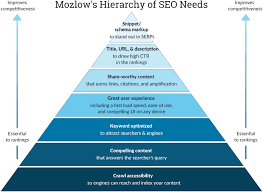
Search engine optimisation (SEO) content is content created to help people find useful information through search engines. It can include website pages, articles, product descriptions, guides and other resources. Effective SEO content does more than include popular search terms: it answers real questions clearly and gives readers a good reason to stay.
Start with the reader
Before writing, consider who the content is for and what they want to achieve. Someone searching for “how to clean a bike chain” needs practical instructions, while someone searching for “bike chain cleaner” may be comparing products. Understanding this search intent helps shape the format, depth and detail of a page.
Useful content should be accurate, easy to follow and suited to its audience. Where appropriate, include practical examples, original insights and advice from people with relevant experience.
Choose relevant search terms
Keyword research can reveal the words and phrases people use when looking for a topic. Look for terms that are relevant to the page, as well as related questions and subtopics. Search suggestions, customer enquiries and keyword research tools can all provide useful ideas.
Use these terms naturally in the page title, main heading, introduction and relevant subheadings. Avoid forcing keywords into every paragraph. Repetition can make content awkward and does not guarantee better rankings.
Make content easy to scan
Clear structure helps readers find information quickly. Use one descriptive main heading, logical subheadings and short paragraphs. Lists can make steps or key points easier to understand. Links to relevant pages can also help readers explore a subject in more depth.
Write in plain English and explain specialist terms when they are needed. A page should work well for someone who is unfamiliar with the subject, without oversimplifying information for experienced readers.
Write useful titles and descriptions
Page titles and meta descriptions help summarise what a page offers in search results. A good title is specific and relevant to the page. A meta description should give readers a clear reason to visit, without making promises the content cannot fulfil. Search engines may display different text, but clear page information remains valuable.
Prioritise quality and trust
Strong SEO content is written for people first. Check facts, keep advice current and make the source of important information clear. For topics that can affect a person’s health, finances or safety, accuracy and appropriate expertise are especially important.
Originality matters too. Simply rewriting existing pages is unlikely to give readers much value. Add something useful, such as a clearer explanation, a practical checklist, a comparison or a perspective based on first-hand knowledge.
Review and improve content over time
Publishing a page is not always the final step. Review important content regularly to check that details, links and recommendations are still accurate. Search performance data can help identify pages that attract visitors, pages that need clearer information and topics that may deserve further coverage.
SEO content is a long-term investment
Good search engine optimisation content balances discoverability with usefulness. By understanding search intent, choosing relevant topics, structuring information clearly and maintaining high standards, organisations can create pages that serve readers and support sustainable visibility in search results.
8 Key Benefits of Search Engine Optimisation Content
- Improves visibility in search results
- Attracts relevant website visitors
- Answers readers’ questions
- Builds trust and credibility
- Supports better user experience
- Encourages more enquiries and sales
- Creates lasting organic traffic
- Strengthens your online presence
Drawbacks of Search Engine Optimisation Content
- Can take time to produce well-researched content.
- Search rankings are never guaranteed.
- Frequent updates may be needed.
- Overusing keywords can make writing less natural.
Improves visibility in search results
Search engine optimisation content can improve a website’s visibility in search results by helping search engines understand what each page is about and how well it answers people’s queries. When content is relevant, useful and clearly structured, it has a better chance of appearing for searches related to the business or topic. Greater visibility can help more potential customers discover the website and explore what it offers.
Attracts relevant website visitors
SEO content helps attract relevant website visitors by appearing in search results for topics, questions and products that matter to your audience. When a page matches what people are looking for, it is more likely to bring in visitors who are genuinely interested in your information or services, rather than just increasing overall traffic.
Answers readers’ questions
SEO content can help readers find clear, useful answers to the questions they are searching for. By understanding what an audience wants to know and addressing it directly, a page becomes more relevant and valuable to its visitors. This can build trust, improve the user experience and encourage readers to explore related content.
Builds trust and credibility
SEO content can help build trust and credibility by giving readers clear, accurate and genuinely useful information when they need it. Well-researched articles, helpful guides and regularly updated pages show that a business understands its subject and cares about its audience. Over time, this dependable experience can strengthen a brand’s reputation and encourage people to return, recommend its services or become customers.
Supports better user experience
Well-planned SEO content supports a better user experience by helping visitors quickly find clear, relevant answers to their questions. Logical headings, concise paragraphs and helpful links make information easier to scan and navigate, while content that matches a reader’s search intent sets the right expectations. The result is a more useful, satisfying visit that encourages people to explore further.
Encourages more enquiries and sales
SEO content can encourage more enquiries and sales by helping potential customers find your business when they are actively searching for relevant products or services. Clear, useful pages can answer their questions, explain the benefits of your offer and build confidence in your expertise. With straightforward calls to action—such as requesting a quote, booking a consultation or making a purchase—this increased visibility can turn interested visitors into valuable leads and customers.
Creates lasting organic traffic
Well-planned SEO content can create lasting organic traffic by helping useful pages appear in search results for relevant queries. Unlike paid advertising, which usually stops bringing visitors when the budget runs out, a well-maintained article or guide can continue attracting people over time. Rankings and traffic may change, so regular updates are important, but valuable, relevant content can remain a steady source of visitors long after it is published.
Strengthens your online presence
SEO content can strengthen your online presence by helping more people discover your website when they search for information, products or services related to your business. By publishing useful, relevant content consistently, you can increase your visibility in search results, reach new audiences and build greater recognition and trust over time.
Can take time to produce well-researched content.
Producing effective SEO content can take considerable time, particularly when it needs thorough research, reliable sources and expert input. Writers may also need to analyse search intent, check facts and structure the information clearly before drafting and editing the page. This careful process can improve quality, but it may slow down publishing and require more resources than expected.
Search rankings are never guaranteed.
One drawback of SEO content is that search rankings are never guaranteed. Search engines regularly update their algorithms, and rankings can also be affected by competitors, changes in user behaviour and wider industry trends. Even well-researched, high-quality content may not appear prominently in search results, so businesses should treat SEO as a long-term strategy rather than a promise of immediate visibility or traffic.
Frequent updates may be needed.
Search engine optimisation content may need frequent updates to remain accurate, relevant and competitive. Search trends, user expectations and industry information can change over time, while older pages may lose visibility if they become outdated. Reviewing and refreshing content takes time and resources, particularly for websites with a large number of pages.
Overusing keywords can make writing less natural.
Overusing keywords can make content feel repetitive and unnatural, making it harder and less enjoyable to read. Instead of helping visitors, awkwardly inserting search terms may distract from the message and reduce trust. Use relevant keywords where they fit naturally, and prioritise clear, useful writing for your readers.