
Local SEO Ranking: How to Improve Your Visibility in Local Search
When someone searches for a nearby service, such as “plumber in Bristol” or “coffee shop near me”, search engines aim to show businesses that are relevant to the query and close to the searcher. Improving your local SEO ranking can help your business appear more prominently in these results, making it easier for local customers to find and contact you.
What is local SEO ranking?
Local SEO is the process of improving your business’s visibility in location-based search results. These can include local listings and map results, as well as standard search results that feature businesses serving a particular area.
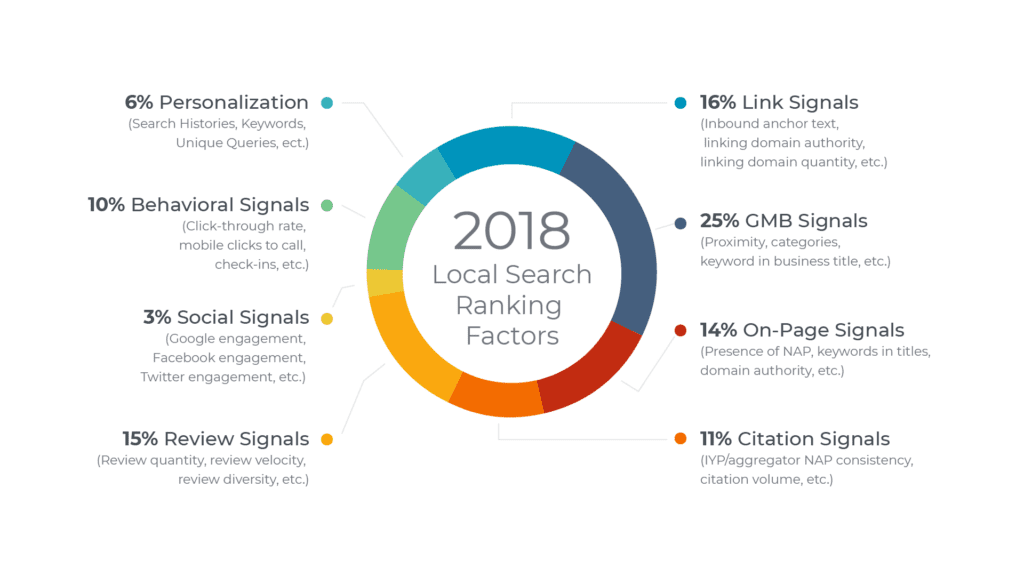
Local rankings are influenced by several factors. Google describes its local results in terms of relevance, distance and prominence. In practice, this means search engines consider how closely your business matches a search, how near it is to the person searching, and how well-known or trusted it appears to be.
Complete and maintain your Google Business Profile
A well-maintained Google Business Profile helps search engines and potential customers understand what your business offers. Make sure your business name, address, telephone number, website and opening hours are accurate. Choose the most appropriate categories and add a clear description of your services.
Keep your profile up to date. Add genuine photographs, list relevant services and update opening hours for bank holidays or other changes. If your business serves customers at their location rather than from a shop or office, set up the profile to reflect your service area and follow Google’s eligibility guidelines.
Keep your business details consistent
Your business details should be consistent across your website, business directories and social media profiles. Pay particular attention to your business name, address and telephone number. Inconsistent information can confuse customers and make it harder for search engines to verify your details.
Review important listings periodically, especially after a change of address, telephone number or trading name. Prioritise reputable directories and industry-specific websites rather than submitting your details to every directory available.
Create useful location-focused website content
Your website should clearly explain what you do, where you work and who you serve. Include your service areas where they are genuinely relevant, but avoid creating large numbers of near-identical pages that offer little value to visitors.
Useful local content might include guides to choosing a service, information about projects you have completed, answers to common customer questions or details about the areas you cover. If you have several premises, create a dedicated page for each location with accurate, unique information.
Make it easy for customers to contact you
Each location page should provide clear contact details, opening hours and information about the services available there. Depending on your business, you could also include directions, an embedded map, parking information or details about accessibility.
Ensure that your website works well on mobile devices. Many local searches happen on phones, so visitors should be able to find key information and call your business without difficulty. Fast-loading pages and straightforward navigation can also improve the overall experience.
Encourage and respond to customer reviews
Reviews help potential customers make decisions and can contribute to your business’s prominence in local search. Invite customers to leave honest feedback after a genuine transaction or completed job. Make the process simple, and never offer incentives in exchange for reviews if this breaches the platform’s policies.
Respond courteously to both positive and negative reviews. A thoughtful response shows that you value feedback and take customer concerns seriously. Avoid sharing private customer information when replying in public.
Build local credibility
Links and mentions from respected local organisations can help establish your business’s credibility. Consider relevant opportunities such as local news coverage, community partnerships, trade associations, events or sponsorships. Focus on relationships and useful contributions rather than trying to acquire links in bulk.
Make sure any local claims on your website are accurate and supported by real experience. Helpful case studies, testimonials and project details can demonstrate your connection to the communities you serve.
Measure your progress
Local rankings can vary depending on the searcher’s location, the search terms used and the device they are using. A single search from one location is not a complete measure of performance. Instead, track a range of indicators over time, including:
- Calls, website visits and direction requests from your business profile
- Organic traffic to location and service pages
- Enquiries and bookings from local customers
- Review volume, quality and response times
- Visibility for relevant local search terms across your service area
Google Business Profile performance reports, website analytics and search performance tools can help you understand how people discover and use your online presence. Use the results to identify areas for improvement rather than relying on rankings alone.
Common local SEO mistakes to avoid
- Using inaccurate or inconsistent business details
- Adding keywords to a business name when they are not part of its real-world name
- Creating duplicate or thin location pages
- Buying reviews or publishing misleading testimonials
- Ignoring customer feedback or leaving profile information out of date
- Expecting immediate results from changes that take time to be reflected in search
Build local visibility for the long term
Improving your local SEO ranking is an ongoing process. Accurate business information, a useful website, genuine customer reviews and a strong local reputation all contribute to a more trustworthy online presence. Start with the basics, keep your information current and use customer behaviour to guide your next steps. While no single tactic can guarantee a particular position, consistent, customer-focused work can make your business easier to find in local search.
Top 6 Tips to Enhance Your Local SEO Ranking
- Complete and verify your Google Business Profile.
- Keep your business name, address and phone number consistent.
- Choose accurate local categories and service areas.
- Ask satisfied customers for genuine reviews.
- Create pages for the locations you serve.
- Keep opening hours and business details up to date.
Complete and verify your Google Business Profile.
Complete and verify your Google Business Profile to help customers and search engines find reliable information about your business. Add accurate contact details, opening hours, services and relevant categories, and keep them up to date. You can also include clear photos and respond to customer reviews. Verification confirms that you’re authorised to manage the profile, helping build trust and supporting your visibility in local search results.
Keep your business name, address and phone number consistent.
Keep your business name, address and phone number consistent across your website, Google Business Profile, social media pages and reputable online directories. Even small differences, such as an outdated phone number or variations in how your address is written, can confuse potential customers and make it harder for search engines to verify your details. Check your listings regularly and update them promptly whenever your business information changes.
Choose accurate local categories and service areas.
Choose the most accurate categories for your Google Business Profile so search engines and potential customers can understand what your business offers. Select a primary category that best describes your main service, then add relevant secondary categories where appropriate. Set service areas to reflect the locations you genuinely serve, rather than listing places simply to attract more searches. Keeping these details precise helps your business appear for relevant local searches and sets clear expectations for customers.
Ask satisfied customers for genuine reviews.
Ask satisfied customers to leave an honest review about their experience. Genuine reviews can build trust with potential customers and strengthen your local online presence. Make it easy by sharing a direct link, but never offer rewards in exchange for positive feedback. Respond politely to reviews, too: thanking customers and addressing concerns shows that you value their feedback.
Create pages for the locations you serve.
Create a dedicated page for each location you genuinely serve to help search engines and potential customers understand where your business operates. Include useful, locally relevant details, such as the services available, areas covered, contact information and examples of work in that community. Make each page distinctive and helpful rather than copying the same text and simply changing the place name, and avoid claiming to have an office or address in a location if you do not.
Keep opening hours and business details up to date.
Keep your opening hours and business details accurate across your website, Google Business Profile and other online directories. Update them promptly when your address, phone number or services change, and add special hours for bank holidays or seasonal closures. This helps customers know when and how to reach you, while giving search engines consistent information about your business—an important part of building trust and improving local visibility.