
How SEO Works: A Practical Guide to Search Engine Optimisation
Search engine optimisation, usually shortened to SEO, is the process of improving a website so that search engines can understand its content and people can find it through relevant search results. SEO can help a business attract visitors who are already looking for its products, services or information.
SEO is not a quick fix or a way to guarantee the number-one position on Google. It is an ongoing process involving useful content, a technically sound website and signals that help search engines assess whether a page is relevant and trustworthy.
How search engines find and rank pages
Search engines generally work in three stages: crawling, indexing and ranking.
- Crawling: Automated programmes, often called crawlers or bots, discover pages by following links and reading sitemaps.
- Indexing: Search engines analyse the pages they can access and may store information about them in an index.
- Ranking: When someone searches, the search engine selects and orders results it considers useful for that query.
A page cannot appear in search results if a search engine cannot access or index it. Even when it is indexed, its position depends on many factors, including its relevance to the search, the quality of the content, the usability of the site and the context of the search.
Understanding what people search for
Effective SEO starts with understanding your audience. Keyword research helps identify the words and phrases people use when looking for information, products or services. It also reveals what they hope to achieve with a search.
For example, someone searching for “how to choose RC racing tyres” is probably looking for advice, while someone searching for “RC racing tyres for sale” may be ready to buy. These searches have different intentions, so they are best served by different pages.
Rather than repeating a phrase as often as possible, create a page that answers the searcher’s question clearly and comprehensively. Use natural language, related terms and useful headings to make the subject easy for both readers and search engines to understand.
Creating helpful, relevant content
Content is a central part of SEO because it gives search engines information to assess and gives visitors a reason to stay. Useful content should be accurate, clear, original and written for the people who need it.
Depending on your business, this might include product and service pages, guides, frequently asked questions, comparisons or detailed articles. Each page should have a clear purpose. Avoid creating multiple pages that cover the same topic in almost identical ways, as this can make it harder to establish which page is most useful.
Good content also needs to be kept up to date. Review important pages regularly, correct outdated details and improve sections that no longer answer visitors’ questions.
On-page SEO
On-page SEO refers to improvements made to the content and structure of individual pages. Common tasks include:
- Writing a clear, descriptive page title.
- Using a concise meta description that accurately summarises the page.
- Organising content with meaningful headings.
- Writing descriptive URLs that are easy to understand.
- Adding relevant internal links to other useful pages on the website.
- Using descriptive alternative text for informative images.
These elements help people navigate and understand a page. They can also provide search engines with useful context. There is no need to force keywords into every heading or sentence; readability and relevance should come first.
Technical SEO
Technical SEO helps ensure that a website can be accessed, crawled and used effectively. Important considerations include:
- Mobile usability: Pages should work well on phones and tablets as well as desktop computers.
- Page speed: Pages should load efficiently, particularly on mobile connections.
- Secure browsing: HTTPS helps protect information exchanged between a website and its visitors.
- Site structure: A logical layout and clear internal links help visitors and crawlers find important pages.
- Indexing controls: Sitemaps and appropriate crawl instructions can help search engines understand which pages should be discovered or excluded.
- Accessibility: Clear navigation, readable text and suitable image descriptions make a site easier for more people to use.
Technical problems can prevent good content from performing well. Regular checks can help identify broken links, duplicate pages, crawl issues and other barriers.
Links and reputation
Links between pages help search engines discover content and understand how information is connected. Links from other websites can also help search engines assess a page’s prominence and reputation. However, not all links are equally useful, and buying or manipulating links can create risks.
A sustainable approach is to publish genuinely useful material, build relationships within your industry and make it easy for others to reference your work. Internal links are important too: they can guide visitors to related information and help search engines discover key pages.
Local SEO
For businesses serving a particular area, local SEO can help them appear in location-based searches. Accurate business details, consistent contact information, relevant local pages and a complete business profile can all support local visibility.
Encourage customers to leave honest reviews and respond to feedback professionally. Reviews can help people decide which business to contact, although no single activity guarantees a particular ranking.
How long does SEO take?
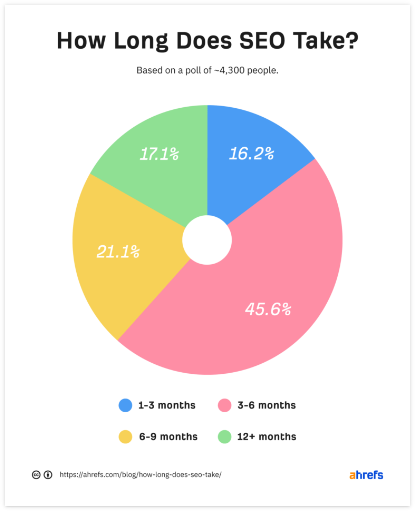
SEO usually takes time. Search engines need to discover and assess changes, and competing websites may also be improving. The time required varies according to factors such as the website’s history, the competitiveness of the topic, the scale of the changes and the quality of the work.
It is more useful to treat SEO as a continuing investment than to expect immediate results. Some technical fixes can improve access relatively quickly, while building visibility for competitive searches may take considerably longer.
Measuring SEO performance
Track progress using a combination of measures rather than focusing on rankings alone. Useful indicators include:
- Organic visits to important pages.
- Search queries that bring people to the site.
- Enquiries, bookings, purchases or other meaningful actions.
- Pages that are indexed and any technical issues reported by search tools.
- Engagement and conversion trends over time.
Analytics and search performance tools can show what is working and where improvement may be needed. Review the data regularly, but allow enough time to identify meaningful trends.
SEO is a long-term process
SEO works best when it supports a well-built website and genuinely useful information. Start by making sure search engines can access your pages, understand what your audience needs, and create content that meets those needs. Then improve the site’s structure, usability and technical health, and measure the results over time.
There are no reliable shortcuts to lasting visibility. A consistent, user-focused approach gives your website a stronger foundation for earning relevant search traffic and turning visitors into customers.
Top 9 Frequently Asked Questions About How SEO Works
- What is SEO and how does it work?
- How do search engines find and rank web pages?
- How long does SEO take to work?
- What are the main factors that affect SEO?
- Can SEO guarantee a top position in search results?
- How can I tell whether my SEO is working?
- What is the difference between on-page and off-page SEO?
- Can I do SEO myself, or should I hire an expert?
- How often should I update my website’s SEO?
What is SEO and how does it work?
SEO, or search engine optimisation, is the process of improving a website so it can appear more prominently in relevant search results. It works by making pages easier for search engines to find, understand and assess, through helpful content, clear site structure, sound technical performance and relevant links. When someone searches, the search engine considers these and other factors to show results that best match their query. SEO takes time and ongoing effort, and no method can guarantee a particular ranking.
How do search engines find and rank web pages?
Search engines find web pages by crawling the web, following links and reading sitemaps. They then analyse pages and may add them to their index. When someone searches, the search engine ranks relevant indexed pages using many signals, including how well the content matches the query, its usefulness and quality, the site’s usability and the searcher’s context. Rankings can change over time, and no single factor guarantees a particular position.
How long does SEO take to work?
SEO usually takes several months to show meaningful results, although the exact timescale varies. It depends on factors such as your website’s current condition, the competitiveness of your industry, the quality of your content and the work being carried out. Some technical improvements may have an effect sooner, while building visibility for competitive searches can take longer. SEO is an ongoing process, so track progress over time rather than expecting immediate results.
What are the main factors that affect SEO?
The main factors that affect SEO include how relevant and helpful your content is to a search, the technical health and loading speed of your website, its mobile usability, and how clearly its pages are organised and linked. Search engines may also consider your site’s reputation, including quality links from other reputable websites, as well as location and user context for local searches. No single factor guarantees a high ranking, so focus on making your site accessible, trustworthy and genuinely useful to visitors.
Can SEO guarantee a top position in search results?
No, SEO cannot guarantee a top position in search results. Search engines use many changing factors to rank pages, and no reputable SEO provider can control those decisions. SEO can improve your website’s visibility by making it more useful, accessible and relevant to your audience, but rankings may vary depending on competition, search updates and the searcher’s location or needs.
How can I tell whether my SEO is working?
You can tell whether your SEO is working by tracking progress over time, rather than relying on rankings alone. Look for growth in relevant organic visits, improvements in how your pages appear for important searches, and more enquiries, sales or other valuable actions from search visitors. Tools such as Google Search Console and analytics platforms can help you monitor these measures and spot trends. Results can take time, so compare performance over several months and consider whether the traffic you’re gaining is reaching the right audience.
What is the difference between on-page and off-page SEO?
On-page SEO covers the improvements made directly to your website, such as creating useful content, using clear page titles and headings, improving internal links and making pages easy to use. Off-page SEO refers to activity outside your site that can support its reputation and visibility, such as earning relevant links from other websites and building trust within your industry. Both matter: on-page SEO helps search engines understand your pages, while off-page SEO can strengthen your site’s credibility.
Can I do SEO myself, or should I hire an expert?
Yes, you can do SEO yourself, particularly if you have a small website and are willing to learn the basics, such as creating useful content, improving page titles and checking that your site works well on mobile devices. SEO can take time, though, and technical issues or competitive markets may call for specialist knowledge. Consider hiring an SEO expert if you need a strategy, lack the time to manage ongoing work or are unsure how to diagnose problems. If you do, choose someone who explains their methods clearly and avoids promises of guaranteed rankings.
How often should I update my website’s SEO?
SEO is best reviewed regularly rather than updated to a fixed schedule. Check your website’s performance and technical health every few months, and update pages sooner when information, products or services change, or when search data shows an opportunity to improve them. There’s no need to change content just to make it seem fresh: focus on keeping it accurate, useful and easy to find.