
Keywords for Search Engine Optimisation: A Practical Guide
Keywords are the words and phrases people enter into search engines when looking for information, products or services. Choosing and using the right keywords can help search engines understand your pages and connect them with people searching for what you offer.
Effective search engine optimisation (SEO) is not about repeating a phrase as often as possible. It starts with understanding your audience, what they want to find and how your content can meet that need.
What are SEO keywords?
An SEO keyword may be a single word, such as “bicycles”, or a longer search phrase, such as “how to choose a mountain bike”. Longer, more specific phrases are often called long-tail keywords. They may attract fewer searches, but can reveal a clearer purpose and bring visitors who are more likely to find a page useful.
Keywords can help guide the topic and language of a page. However, search engines consider many factors when deciding which results to show, including relevance, quality, usability and how well a page satisfies the searcher’s needs.
Understand search intent
Search intent is the reason behind a search. Before selecting a keyword, consider what someone is hoping to achieve. Common types of intent include:
- Informational: The searcher wants to learn something, such as “how do electric bikes work?”
- Commercial research: The searcher is comparing options, such as “best commuter bikes for hills”.
- Transactional: The searcher is ready to take action, such as “buy a folding bike”.
- Navigational: The searcher is trying to find a particular brand, business or website.
A useful page should match the intent behind its target keyword. For example, a detailed buying guide is more appropriate for a comparison search than a simple product page.
How to find relevant keywords
- Start with your audience. List the questions customers ask, the problems they need to solve and the terms they use to describe your products or services.
- Explore search suggestions. Search engines’ autocomplete suggestions and related searches can reveal common variations and questions.
- Review existing content. Check which pages already attract visits and identify topics that could be improved or covered in more depth.
- Use keyword research tools. SEO tools can provide estimates of search demand, competition and related terms. Treat these figures as guidance rather than guarantees.
- Study the search results. Look at the types of pages appearing for a phrase. Their format and focus can help you understand what searchers expect.
Choose keywords that fit your goals
Search volume—the estimated number of searches for a keyword—can be useful, but it should not be the only consideration. A popular phrase may be highly competitive or too broad to attract the right audience. A more specific phrase may have lower search volume but be closely aligned with your expertise or offering.
Consider relevance, intent, competition and the value a visitor could bring to your organisation. Choose a primary topic for each page, then include related terms and questions where they fit naturally. This helps create focused pages without trying to make one page rank for every possible search.
Use keywords naturally in your content
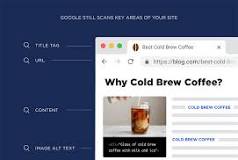
Once you have chosen a topic, write for people first. Make the purpose of the page clear, answer the reader’s likely questions and use accurate, helpful language. A keyword may appear in the page title, main heading, introduction, subheadings or descriptive page address when appropriate, but there is no need to force it into every section.
Related phrases can add context, but they should only be included when they genuinely support the content. Avoid keyword stuffing: the unnatural repetition of keywords intended to influence rankings. It makes pages harder to read and can undermine trust.
Organise keywords into topics
Grouping related keywords can help you plan useful content. For instance, several searches about choosing, maintaining and using a particular product could be organised into a central guide and supporting articles. Clear internal links between relevant pages help readers explore a subject and help search engines discover your content.
Take care not to create multiple pages that all target almost identical searches. If pages cover the same intent, they may compete with one another. Review your content and consider combining or differentiating pages where needed.
Measure and refine your approach
SEO takes time, so review performance regularly rather than judging a page after only a few days. Search analytics can show which queries bring visitors, how pages appear in search results and whether people continue to engage with the content. Use those insights to update outdated information, improve unclear sections and address questions you have not yet answered.
Keyword research is most effective when it supports a broader content strategy. By choosing relevant search terms, understanding intent and publishing genuinely useful pages, you can make it easier for the right people to discover your website.
7 Benefits of Keywords for Effective Search Engine Optimisation
- Helps search engines understand your content.
- Connects your pages with relevant searches.
- Reveals what your audience wants to know.
- Guides useful, focused content planning.
- Supports better matching of search intent.
- Helps attract more qualified visitors.
- Makes it easier to measure and refine SEO.
Challenges of Keyword Optimisation: Competition, Time Investment, and Readability Concerns
- High-volume keywords can be very competitive.
- Keyword research takes time and regular updates.
- Overusing keywords can make content awkward and harm readability.
Helps search engines understand your content.
Using relevant keywords helps search engines understand what your content is about and which searches it may be useful for. When key terms are used naturally in a page’s title, headings and main text, they provide context about its subject. This can help search engines match the page with relevant queries, while clear, helpful writing ensures the content remains valuable and easy to read for visitors.
Connects your pages with relevant searches.
Using relevant keywords helps connect your pages with the searches your audience is making. When the language and topics on a page reflect what people are looking for, search engines can better understand its content and show it to users seeking related information, products or services.
Reveals what your audience wants to know.
Keyword research reveals what your audience wants to know by showing the words and questions people use when searching online. These insights can help you understand their interests, concerns and needs, so you can create useful content that answers real questions. When your pages address those needs clearly, they’re more likely to attract relevant visitors and provide a better experience.
Guides useful, focused content planning.
Keywords help guide useful, focused content planning by revealing the topics and questions people are actively searching for. Grouping related terms can highlight gaps in your website and help you plan pages that address a specific audience need, rather than publishing content without a clear purpose. When each page is built around a relevant topic and search intent, it is more likely to offer readers helpful, well-organised information.
Supports better matching of search intent.
Keywords help match content to search intent by revealing what people hope to find when they search. Choosing terms that reflect a searcher’s needs—whether they want information, are comparing options or are ready to buy—helps shape pages that answer the right questions and offer relevant next steps. This makes content more useful to visitors and helps search engines understand when it may be a suitable result.
Helps attract more qualified visitors.
Choosing relevant keywords can help attract more qualified visitors to your website. When the words and phrases on a page match what people are actively searching for, the visitors who find it are more likely to be interested in its content, products or services. Focusing on specific search intent can therefore bring in people who are more likely to take a useful next step, such as making an enquiry or completing a purchase.
Makes it easier to measure and refine SEO.
Keywords make SEO easier to measure and refine by giving you clear topics and search queries to monitor. By tracking how your pages perform for relevant terms—such as their visibility, clicks and visitor engagement—you can see what is working and where improvements may be needed. These insights can help you update content, target more relevant searches and make informed decisions about your SEO strategy over time.
High-volume keywords can be very competitive.
High-volume keywords attract a large number of searches, but they are often highly competitive too. Established websites may already have strong, well-optimised pages targeting these terms, making it difficult for newer or smaller sites to appear prominently in search results. Focusing only on popular keywords can therefore take time and resources without bringing much traffic; more specific, relevant phrases may offer a better opportunity to reach the right audience.
Keyword research takes time and regular updates.
Keyword research can be time-consuming, as it involves understanding your audience, comparing search terms and assessing their relevance to your content. It also needs regular attention: search behaviour, competition and industry trends can change, so keywords that once performed well may become less effective. This means reviewing and updating your keyword strategy is an ongoing part of SEO, rather than a one-off task.
Overusing keywords can make content awkward and harm readability.
Overusing keywords can make content sound unnatural, disrupt its flow and make it harder to read. This practice, known as keyword stuffing, may frustrate visitors and reduce their trust in your website. Instead of repeating the same phrase, use it only where it fits naturally and focus on creating clear, useful content that answers readers’ questions.