
Search Engine Optimisation Sites: What Makes a Website Easier to Find?
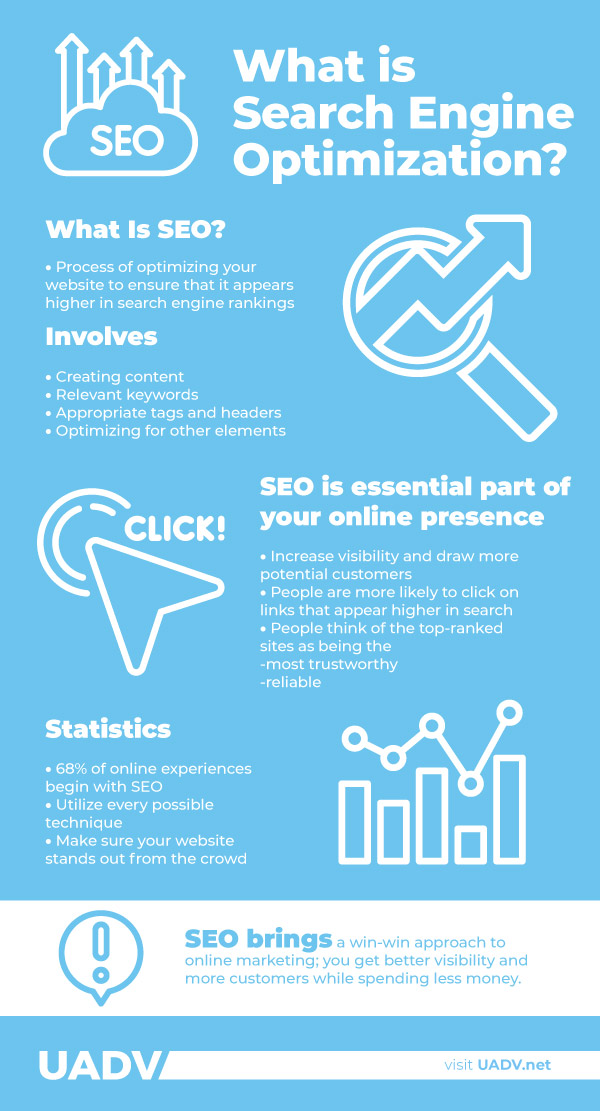
A website can look impressive and offer excellent products or information, yet still struggle to attract visitors if people cannot find it through search engines. Search engine optimisation (SEO) helps improve a site’s visibility in unpaid search results, connecting its content with people looking for relevant answers, services or products.
SEO is not a single trick or a one-off task. It involves a combination of useful content, clear site structure, technical quality and a good experience for visitors. Here are the main features of an SEO-friendly website, along with ways to assess and improve your own.
Start with useful, relevant content
Content is at the heart of an effective SEO strategy. Pages should provide accurate, helpful information that meets the needs behind a search. Before writing, consider what a visitor is trying to achieve: are they looking for an explanation, comparing options or ready to make a purchase?
Use clear headings and organise information logically. Include relevant search terms where they fit naturally, but avoid repeating keywords just to influence rankings. Content written for people is more valuable than text created solely to target search phrases.
Make every page easy to understand
Clear page titles and descriptions help search engines and potential visitors understand what a page is about. Each page should have a descriptive title, a concise meta description and a main heading that accurately reflects its content.
Descriptive links are useful, too. A link labelled “view our delivery information” is more informative than “click here”. When linking between related pages, use wording that makes the destination clear.
Build a simple site structure
A well-organised website makes it easier for visitors to find information and for search engines to discover and understand pages. Group related pages into sensible sections, keep navigation straightforward and ensure important content is not buried too many clicks from the homepage.
A logical URL structure can also help. Short, readable addresses give visitors a better idea of what to expect. For example, a URL ending in /services/website-design is generally clearer than one made up of unexplained numbers and symbols.
Pay attention to technical SEO
Technical SEO covers the behind-the-scenes elements that affect how a website can be accessed, crawled and indexed. Important areas include:
- Mobile usability: Pages should work well on phones and tablets, not just desktop computers.
- Page speed: Efficient images, scripts and hosting can help pages load more quickly.
- Secure browsing: HTTPS helps protect the connection between a site and its visitors.
- Indexing: Search engines need to be able to access the pages you want to appear in results.
- Accessibility: Clear text, useful image descriptions and usable navigation can make a site easier for more people to use.
Technical issues are not always obvious to visitors, so regular checks can help uncover broken links, duplicate pages or content that search engines cannot access.
Use SEO tools and learning resources
There are many websites and tools that can support SEO work. Search engine documentation is a useful starting point for understanding how crawling, indexing and search appearance work. Analytics and search performance tools can help site owners see which pages attract visitors, what queries bring people to the site and whether technical errors need attention.
Keyword research platforms, website crawlers and page-speed testing tools can also provide useful insights. Treat their recommendations as evidence to investigate, rather than instructions to follow blindly. The best changes are those that improve the experience for your audience as well as the technical health of your site.
Earn trust and credibility
Search visibility depends on more than keywords. Visitors need to feel confident that the information is reliable and that a business is genuine. Make it easy to find details such as contact information, the organisation behind the site, relevant policies and evidence of expertise.
Links from other reputable websites can help people discover your content and may contribute to your site’s authority. Focus on earning links by publishing useful resources and building genuine relationships. Avoid schemes that promise large numbers of links quickly; manipulative tactics can put a website’s performance at risk.
Measure progress over time
SEO results usually take time. Rankings can change as search engines update their systems, competitors improve their sites and people’s interests shift. Track a range of measures, such as organic visits, relevant search queries, enquiries or sales, rather than judging success by a single ranking.
Review important pages regularly. Update outdated information, improve sections that are difficult to use and investigate pages that receive little traffic despite being valuable. Small, consistent improvements can add up.
What to look for in an SEO website or service
If you are choosing a website, guide or provider to help with SEO, look for clear explanations, practical advice and transparent methods. Be cautious of promises to guarantee a top position in search results: no provider can control every factor that affects rankings. A credible service should explain its approach, set realistic expectations and focus on sustainable improvements.
Conclusion
An SEO-friendly site is built around people: it answers their questions, is easy to navigate, works well across devices and provides a dependable experience. Strong technical foundations and thoughtful measurement support that work, but lasting visibility comes from meeting real needs consistently. By improving your website step by step, you can make it easier for both visitors and search engines to understand what you offer.
7 Essential Tips for Optimising Your Website for Search Engines
- Use clear, descriptive page titles.
- Write helpful content for your audience.
- Choose relevant keywords naturally.
- Make pages load quickly on mobile.
- Use descriptive headings and URLs.
- Add useful alt text to images.
- Earn links from reputable websites.
Use clear, descriptive page titles.
Use clear, descriptive page titles so visitors and search engines can quickly understand what each page is about. Give every page a unique title that reflects its main topic, placing the most important words near the beginning where they fit naturally. Avoid vague labels, unnecessary repetition and titles that promise more than the page delivers. A concise, accurate title can make your site easier to navigate and help people decide whether a search result is relevant to them.
Write helpful content for your audience.
Write helpful content that answers your audience’s questions and makes it easier for them to find what they need. Think about their interests, challenges and search intentions, then share clear, accurate information in a format that is easy to read. Use relevant search terms naturally, but avoid stuffing them into the text. Content created to genuinely help people is more likely to earn their trust, encourage them to stay on your site and support long-term search visibility.
Choose relevant keywords naturally.
Choose keywords that genuinely match your content and the terms your audience is likely to use. Include them naturally in page titles, headings and body text where they help explain the topic, rather than forcing them into every sentence. Clear, useful writing is easier for visitors to read and helps search engines understand what your page offers.
Make pages load quickly on mobile.
Make sure your pages load quickly on mobile, where visitors may be using slower connections or browsing on the move. Compress large images, remove unnecessary scripts and choose reliable hosting to reduce loading times. A faster, responsive site is easier to use and can help visitors stay engaged rather than leaving before the page appears.
Use descriptive headings and URLs.
Use descriptive headings and URLs to make your pages easier to understand and navigate. Headings should clearly introduce the information that follows, helping readers scan the page and find what they need. Keep URLs concise and meaningful, using words that reflect the page topic rather than vague labels or strings of numbers. This small improvement can make your site clearer for visitors and help search engines interpret its content.
Add useful alt text to images.
Add useful alt text to images to help people using screen readers understand what each image shows, and to give search engines additional context. Describe the image accurately and concisely, focusing on its purpose on the page rather than stuffing the description with keywords. If an image is purely decorative and adds no information, leave its alt text empty so assistive technology can skip it.
Earn links from reputable websites.
Earn links from reputable websites by creating useful, original content that others genuinely want to reference. These links can help people discover your site and signal that your content is worth exploring. Focus on building real relationships with relevant organisations, publications and industry experts rather than buying links or using schemes that promise quick results. Quality and relevance matter more than simply collecting a large number of links.