
Search Engine Optimisation (SEO) Marketing: A Practical Guide
Search engine optimisation, commonly known as SEO, is the practice of improving a website so that it is easier for search engines to understand and more useful to people. SEO marketing helps businesses attract relevant visitors from unpaid search results, build visibility and support long-term growth online.
Unlike paid advertising, SEO does not usually deliver instant results. It takes time to research, make improvements and earn trust. But a well-planned strategy can help a website reach people who are already looking for its products, services or information.
How SEO works
Search engines crawl websites to discover pages, index their content and decide which pages to show in response to a search. Their systems consider many signals, including how relevant a page is to a query, how easy it is to use and whether the information appears trustworthy and helpful.
SEO marketing aims to make a website accessible to search engines while offering a clear, valuable experience for visitors. It is not about tricking search algorithms. Strong SEO starts with understanding what people need and providing useful answers.
The main areas of SEO
Technical SEO
Technical SEO focuses on the foundations that help search engines access and understand a website. This can include improving page speed, ensuring the site works well on mobile devices, fixing broken links, creating an XML sitemap and using a logical site structure. Secure browsing and properly configured redirects also contribute to a dependable website.
On-page SEO
On-page SEO involves improving individual pages. It includes writing descriptive page titles and headings, using clear URLs and organising content so that it is easy to read. Keywords can help indicate what a page is about, but they should be included naturally rather than repeated excessively.
Well-written meta descriptions can also encourage people to choose a page in search results. They are not a substitute for useful page content, but they provide an opportunity to give searchers a concise reason to visit.
Content
Useful content is at the heart of effective SEO marketing. Articles, product pages, guides and service descriptions should be accurate, original and written for the intended audience. Good content answers real questions, explains topics clearly and gives readers a helpful next step.
Before creating a page, consider its purpose: what is the reader trying to find out or do? Researching search terms and related questions can reveal how people describe their needs. The aim is to address those needs thoroughly, not simply to produce content to include more keywords.
Off-page SEO
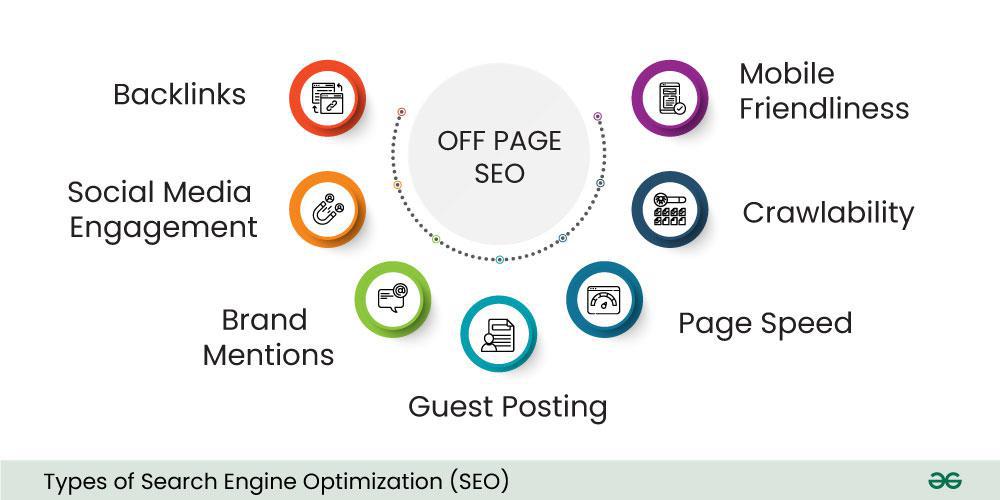
Off-page SEO refers to signals and activity beyond a website. Links from relevant, reputable websites can help people discover a business and may indicate that its content is worth referencing. Digital public relations, useful research and genuine partnerships can help earn those links over time.
Links should be earned through value and relevance. Buying links or using manipulative link schemes can put a website at risk and is not a sound long-term marketing strategy.
Building an SEO marketing strategy
- Set clear goals. Decide what SEO should support, such as increasing relevant enquiries, online sales, bookings or readership.
- Understand the audience. Identify the questions people ask, the problems they need to solve and the language they use.
- Review the website. Check technical performance, existing content, navigation and any barriers that could make the site difficult to use.
- Plan and improve content. Prioritise pages that matter to the business and make sure each one has a clear purpose and offers genuine value.
- Measure progress. Use analytics and search performance tools to monitor visibility, visits and meaningful outcomes.
Measuring SEO performance
Rankings can be useful to monitor, but they do not tell the whole story. A page may attract visitors without leading to a sale or enquiry, while a less-visited page may be highly valuable to the business. Track a range of measures, including organic traffic, impressions, click-through rates, conversions and engagement with important pages.
It is also important to allow time for changes to take effect. Search visibility can fluctuate, and improvements may not be reflected immediately. Regular reporting helps identify what is working and where further attention is needed.
Common SEO mistakes to avoid
- Repeating keywords unnaturally or writing primarily for search engines.
- Publishing large volumes of thin, duplicated or unhelpful content.
- Ignoring mobile usability, page speed or technical errors.
- Using misleading titles that do not match the content of a page.
- Expecting immediate results or relying on rankings alone to measure success.
- Using shortcuts that violate search engine guidelines.
SEO as a long-term investment
Search engine optimisation is an ongoing part of digital marketing. Search behaviour changes, competitors publish new content and websites need regular maintenance. By combining sound technical foundations, useful content and a positive user experience, businesses can build a stronger presence in organic search over time.
The most effective SEO strategy is not a collection of tricks. It is a consistent effort to make a website clear, trustworthy and genuinely helpful to the people it serves.
Top 8 Frequently Asked Questions About SEO Marketing: A Comprehensive Guide
- What is search engine optimisation (SEO) marketing?
- How does SEO work?
- Why is SEO important for a business?
- How long does SEO take to show results?
- What is the difference between SEO and paid search advertising?
- How much does SEO marketing cost?
- Can I do SEO myself, or should I hire an SEO specialist?
- How can I measure the success of an SEO campaign?
What is search engine optimisation (SEO) marketing?
Search engine optimisation (SEO) marketing is the process of improving a website so it is more visible in unpaid search engine results and attracts relevant visitors. It combines helpful, well-organised content with technical improvements—such as making pages easy to navigate, fast to load and mobile-friendly. The aim is to help search engines understand a site and give people useful answers when they search for related products, services or information.
How does SEO work?
SEO works by helping search engines find, understand and assess the pages on a website so they can show the most relevant results to people searching online. It combines technical improvements, useful and well-organised content, relevant search terms and signals of trust, such as links from reputable websites. When a page is accessible, helpful and closely matches a searcher’s needs, it may become more visible in unpaid search results. SEO takes time, and results can vary as search engines, competitors and people’s search habits change.
Why is SEO important for a business?
SEO is important for a business because it helps potential customers find its website when they search online for relevant products, services or information. A strong SEO strategy can increase visibility, attract more qualified visitors and build trust, while reducing reliance on paid advertising over time. By making a website useful, accessible and easy to navigate, SEO can support enquiries, sales and long-term business growth.
How long does SEO take to show results?
SEO usually takes several months to show noticeable results, although the timescale depends on factors such as your website’s starting point, competition, industry and the work involved. Technical fixes may have an impact sooner, while building authority and improving rankings for competitive searches can take longer. SEO is an ongoing process, so monitor progress over time using relevant measures such as organic traffic, enquiries and sales—not rankings alone.
What is the difference between SEO and paid search advertising?
SEO (search engine optimisation) aims to improve a website’s visibility in unpaid search results by making its content, structure and user experience more relevant and useful. Paid search advertising places sponsored listings in search results, usually charging the advertiser when someone clicks. Paid ads can generate visibility quickly, but traffic generally stops when the campaign ends; SEO often takes longer to build momentum, but can attract organic visits over time without a fee for each click. Many businesses use both approaches to reach customers at different stages of their search.
How much does SEO marketing cost?
The cost of SEO marketing varies depending on your goals, the competitiveness of your industry, the size of your website and the work required. Some businesses manage SEO in-house, while others hire a freelancer or agency for a one-off project or ongoing support. Before committing, ask what the service includes, how results will be measured and how often progress will be reported. Be wary of guaranteed rankings or unusually cheap offers: effective SEO takes time, and no provider can guarantee a particular position in search results.
Can I do SEO myself, or should I hire an SEO specialist?
Yes, you can manage SEO yourself, particularly if you have a small website and are willing to learn the basics, such as researching keywords, improving page content and checking technical issues. Hiring an SEO specialist may be worthwhile if you have limited time, a larger or more complex site, or need help developing and measuring a strategy. A specialist should explain their approach clearly, set realistic expectations and avoid promises of guaranteed rankings.
How can I measure the success of an SEO campaign?
Measure the success of an SEO campaign by tracking progress against clear business goals, not rankings alone. Monitor organic traffic, search impressions, click-through rates and the performance of important pages, alongside meaningful outcomes such as enquiries, sales, bookings or sign-ups. Use tools such as Google Search Console and website analytics to identify trends, and compare results over time. SEO takes time, so review performance regularly and consider both short-term changes and longer-term growth.