
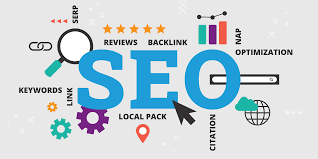
SEO: A Practical Guide to Search Engine Optimisation
Search engine optimisation (SEO) is the process of improving a website so that search engines can understand its content and people can find it more easily. Effective SEO can help a business attract relevant visitors from unpaid search results, answer customers’ questions and build a stronger online presence.
SEO is not a one-off trick or a guarantee of a particular ranking. Search engines regularly update how they assess and display pages, and results depend on many factors. A sustainable approach focuses on making a website useful, accessible and easy to navigate.
How SEO works
Search engines discover pages by crawling links, store and organise information in an index, then select and order results in response to a search. SEO helps ensure that a website can be crawled and understood, and that its pages provide a relevant, helpful response to the searches they are intended to serve.
Search results may include traditional website listings as well as images, maps, videos and other features. The results shown can vary depending on the search, location, device and other context.
Keyword research: understand what people are looking for
Keyword research helps you learn the words and phrases people use when searching for products, services or information. It is not about repeating a phrase as many times as possible. Instead, consider the searcher’s intent: are they looking for an explanation, comparing options or ready to make a purchase?
- List the questions and needs your audience has.
- Explore relevant search phrases and related topics.
- Group similar searches around a clear page purpose.
- Use natural language rather than forcing keywords into every sentence.
Create useful, well-structured content
Strong content is accurate, original and written for real people. It should address the topic clearly, provide useful detail and make the next step easy to understand. Before creating a new page, check whether an existing page could be improved instead.
Use a clear heading structure, with one main page heading followed by descriptive subheadings. Short paragraphs, lists and relevant examples can make information easier to scan. Page titles and descriptions should accurately summarise the content and encourage an appropriate click without making misleading promises.
On-page SEO
On-page SEO covers improvements made to individual pages. Alongside helpful content, consider:
- Page titles: Write a distinct, concise title that describes the page.
- Headings: Organise information in a logical order.
- Internal links: Connect related pages using clear link text.
- Images: Use descriptive file names and alternative text where it helps explain an image to users.
- URLs: Keep addresses readable and relevant to the page.
Technical SEO
Technical SEO helps search engines access and interpret a site. It also supports a better experience for visitors. Check that important pages can be crawled, that broken links are fixed and that duplicate or outdated pages are handled appropriately. An XML sitemap can help search engines discover key URLs, while a robots.txt file can provide crawling instructions.
Make sure the site works well on mobile devices, loads efficiently and uses HTTPS. Accessibility matters too: readable text, clear navigation, descriptive links and appropriate image alternatives help more people use your website.
Links and reputation
Links from other relevant websites can help people discover your content and may contribute to search engines’ understanding of its context. The best way to earn links is to publish something genuinely useful, such as original research, detailed guides or resources others want to reference.
Avoid buying links or using schemes designed to manipulate rankings. These tactics can damage trust and may breach search engine guidelines. Focus instead on building relationships, sharing useful work and earning mentions naturally.
Measure and improve
SEO takes time, so track progress using reliable data rather than judging success by rankings alone. Useful measures may include organic visits, search impressions, clicks, enquiries, sales and engagement with key pages. Search analytics and website analytics tools can help identify which pages are performing well and where improvements may be needed.
Review performance regularly, but make changes based on evidence. If a page receives impressions but few clicks, its title or description may need attention. If visitors arrive but do not take the intended action, review whether the page meets their needs and makes the next step clear.
A sustainable approach to SEO
Successful search engine optimisation combines useful content, sound technical foundations and a clear understanding of your audience. There are no instant fixes or guaranteed positions, but steady improvements can make your website easier to find and more valuable to visitors.
Start with the essentials: understand what your audience is searching for, create pages that answer those needs, make the site easy to use and measure the results. Consistency and quality are more sustainable than shortcuts.
Top 5 Frequently Asked Questions About SEO in the UK
- What is SEO (search engine optimisation)?
- How does SEO work?
- How long does SEO take to show results?
- How much does SEO cost in the UK?
- Can I do SEO myself, or should I hire an SEO agency?
What is SEO (search engine optimisation)?
SEO (search engine optimisation) is the process of improving a website so search engines can understand its content and people can find it in relevant, unpaid search results. It can involve creating useful content, improving page titles and headings, making the site easier to navigate, and ensuring it works well on mobile devices. SEO does not guarantee a particular ranking, but a consistent focus on quality and usability can help attract the right visitors over time.
How does SEO work?
SEO works by helping search engines discover, understand and assess the pages on your website. Search engines crawl links to find pages, index the information they contain and then use various signals to choose which results are most relevant to a search. By creating useful, well-structured content, using clear page titles and headings, and making your website accessible, fast and easy to navigate, you can improve its chances of appearing for relevant searches. SEO cannot guarantee a particular ranking, but it can make your site easier for both search engines and people to understand.
How long does SEO take to show results?
SEO typically takes several months to show noticeable results, although the timeframe varies depending on factors such as your website’s history, competition, technical health and the quality of your content. Some improvements may be seen sooner, but building sustained growth in organic traffic and rankings often takes six months or longer. SEO is an ongoing process, so regular monitoring and improvements are important.
How much does SEO cost in the UK?
The cost of SEO in the UK varies depending on your goals, the size of your website, the level of competition and the amount of work required. Some businesses handle SEO in-house, while others hire a freelancer or agency on a monthly retainer, for a one-off project or on an hourly basis. Before agreeing to a fee, ask what the work includes, how progress will be reported and which outcomes will be measured. Be cautious of guarantees of specific rankings, as no provider can control search engine results.
Can I do SEO myself, or should I hire an SEO agency?
Yes, you can do SEO yourself, particularly if you have a small website and are willing to learn the basics, such as improving page content, titles, site structure and loading speed. Hiring an SEO agency may be worthwhile if your website is complex, competition is high or you need specialist support and have limited time. Before choosing an agency, ask how it will measure progress, what work it will carry out and how it follows search engine guidelines. SEO takes time, so be wary of anyone promising guaranteed rankings or instant results.